
Electrocautery vs. Laser: Which Is Better for Wart Removal?
Warts tend to fall into two categories: those that resolve quietly over time, and those that persist no matter what you try. When a wart stops responding to at-home solutions, professional treatment becomes less about urgency and more about choosing the right approach.
In comparing electrocautery vs. laser for wart removal, the right choice depends less on which treatment is newer and more on how the wart behaves and how your skin responds.
In clinical and aesthetic settings, electrocautery and laser treatment are two of the most commonly used options for wart removal. Both are medical-grade procedures designed to remove warts safely and precisely, yet they differ in how they work, how many sessions are required, and what recovery looks like afterward.
Understanding Wart Removal Options
Warts can appear on the hands, feet, face, or other areas of the body and may persist despite at-home treatments. While some warts resolve on their own, others can persist for extended periods.
Professional wart removal focuses on addressing wart tissue while minimizing impact on surrounding skin. Electrocautery and laser treatments are commonly used clinical options because they allow for controlled, targeted treatment when at-home methods are no longer effective.
Electrocautery: Overview
How Electrocautery Works
Electrocautery removes warts by applying a controlled electric current to the affected area. This current generates heat, which burns and destroys the wart tissue, allowing it to be removed safely.
The procedure is typically performed under local anaesthetic and usually requires one to two sessions, depending on the size and depth of the wart.
Effectiveness
Electrocautery has a reported success rate of approximately 70–90%, making it a reliable option for many patients. It is commonly used to treat:
Common warts on the hands or fingers
Plantar warts on the feet
Certain genital warts (when medically appropriate)
Cost
Electrocautery is generally considered a cost-effective option for wart removal. In Canada, pricing is discussed during consultation, and it depends on the size, number, and location of the warts being treated.
Recovery
Healing after electrocautery usually takes 1–3 weeks. During this time, a scab forms over the treated area and naturally falls off as the skin underneath heals. Mild redness or tenderness is common but typically resolves with proper aftercare.
Laser Wart Removal: Overview
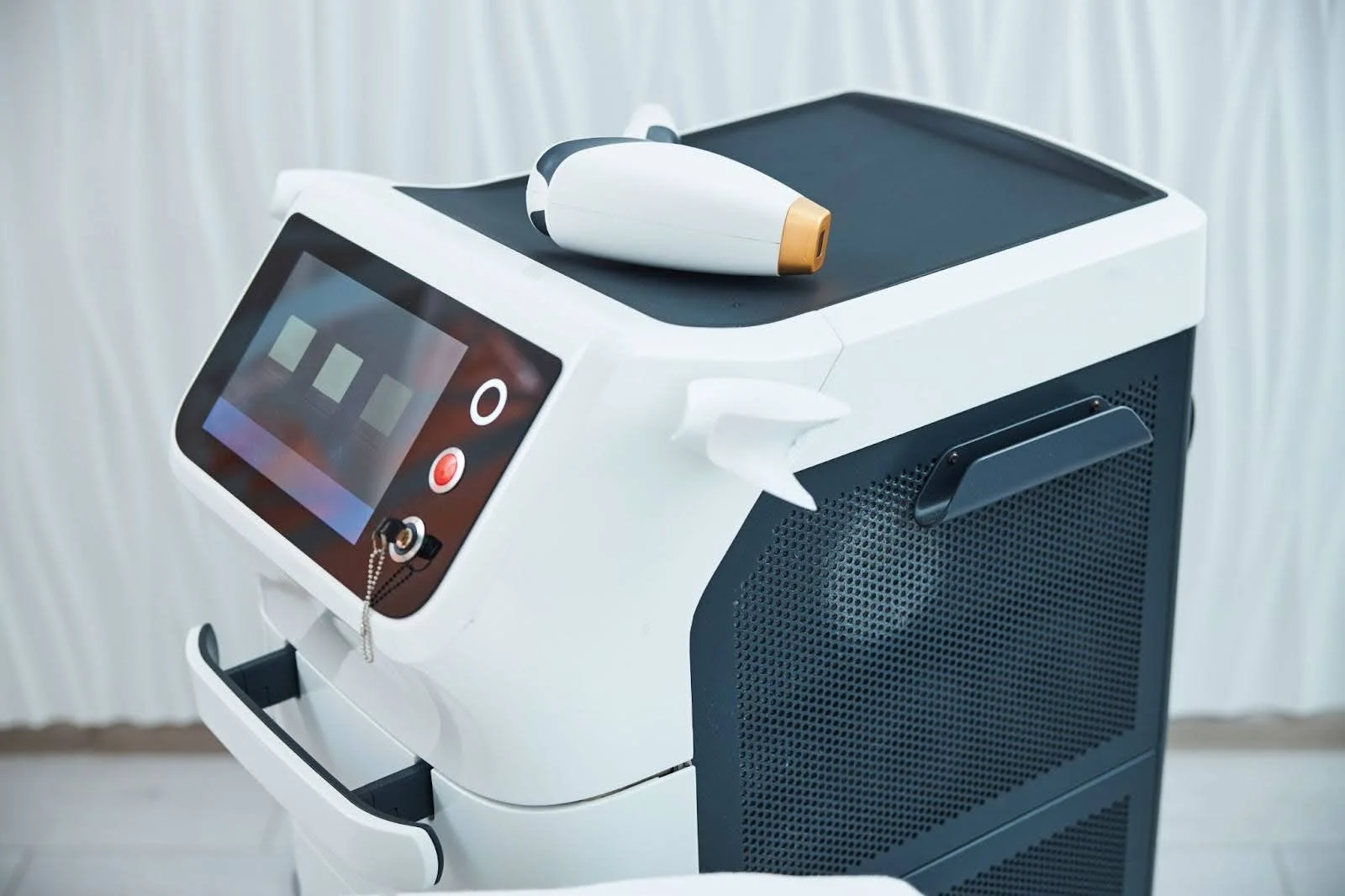
How Laser Treatment Works
Laser wart removal uses focused light energy to target the blood supply feeding the wart. By cutting off this supply, the wart tissue gradually breaks down and is eliminated by the body.
Laser treatment is highly controlled and often recommended for warts that are resistant to other methods.
Effectiveness
Laser treatment also has an estimated success rate of 70–90%. It is particularly effective for:
Vascular warts with a strong blood supply
Larger or deeper warts
Warts that have not responded to previous treatments
Most patients require two to three sessions for optimal results.
Cost
Laser treatment typically involves more advanced technology than electrocautery. In Canada, laser wart removal is priced per session, with costs varying based on the complexity of the case and treatment approach.
Recovery
Recovery from laser wart removal usually takes 2–4 weeks. The treated area may appear red or slightly swollen initially, with gradual healing over time. While recovery may be slightly longer than with electrocautery, many patients appreciate the treatment's precision.
Electrocautery vs. Laser: Key Comparisons
Speed and Number of Sessions
Electrocautery is often the faster option, requiring fewer sessions to remove warts. Laser treatment may take longer overall, but it can be more effective for stubborn cases.
Precision and Scarring Risk
Laser treatment offers high precision, which can reduce the risk of scarring, particularly in sensitive or visible areas. Electrocautery remains effective but requires careful aftercare to support optimal healing.
Pain and Recovery
Both treatments are performed under local anaesthesia. Electrocautery generally has a shorter healing window, while laser recovery may take slightly longer.
Suitability
Electrocautery is suitable for most common warts and is often used as a first-line treatment. Laser treatment is frequently reserved for stubborn, vascular, or recurring warts.
Which Option Is Right for You?
There is no single treatment that suits every wart or every patient. The most appropriate option depends on factors such as:
Wart size and location
Whether the wart has been treated previously
Skin type and healing response
Preferences around recovery time and cost
For many individuals, electrocautery offers an efficient and practical solution. For others, particularly those dealing with resistant or recurring warts, laser treatment may provide better control and precision.
Final Considerations
Electrocautery and laser treatment are both established, medical-grade approaches to wart removal. Electrocautery is valued for its speed, simplicity, and cost-effectiveness, while laser treatment is preferred for its precision and suitability for more complex cases.
When wart removal is approached thoughtfully and professionally, the focus shifts from urgency to clarity, and from short-term fixes to informed decision-making.
The most reliable way to determine which option is appropriate is through a professional consultation, where a qualified practitioner can assess your skin and recommend an appropriate approach.
