
Keloid Scar Treatment
Keloid Scar Treatment in Toronto
A keloid can feel like it has a mind of its own. It grows past the edges of the original wound, it itches, it catches on clothing, and it can come back after it seemed to be gone. Our keloid scar treatment in Toronto combines cortisone injections and laser. We plan it around your scar, your skin type and how your skin has healed before.
Free consultation

Ablative & Non Ablative Lasers

Fractional Lasers

Keloid Treatment for All Skin Tones
Keloids are more common in medium and deeper skin tones. That is exactly why the approach matters. We choose injection doses and laser settings that flatten and soften the keloid while protecting the colour of the skin around it.
Why Choose Us?

SAME DAY APPOINTMENT AVAILABLE

4.9 REVIEWS SCORE

FDA/HEALTH CANADA APPROVED

EXPERT MEDICAL SUPERVISION

FREE CONSULTATION

OVER 20 YEARS OF EXPERTISE
Skin Concerns Our Laser Treatments Improve
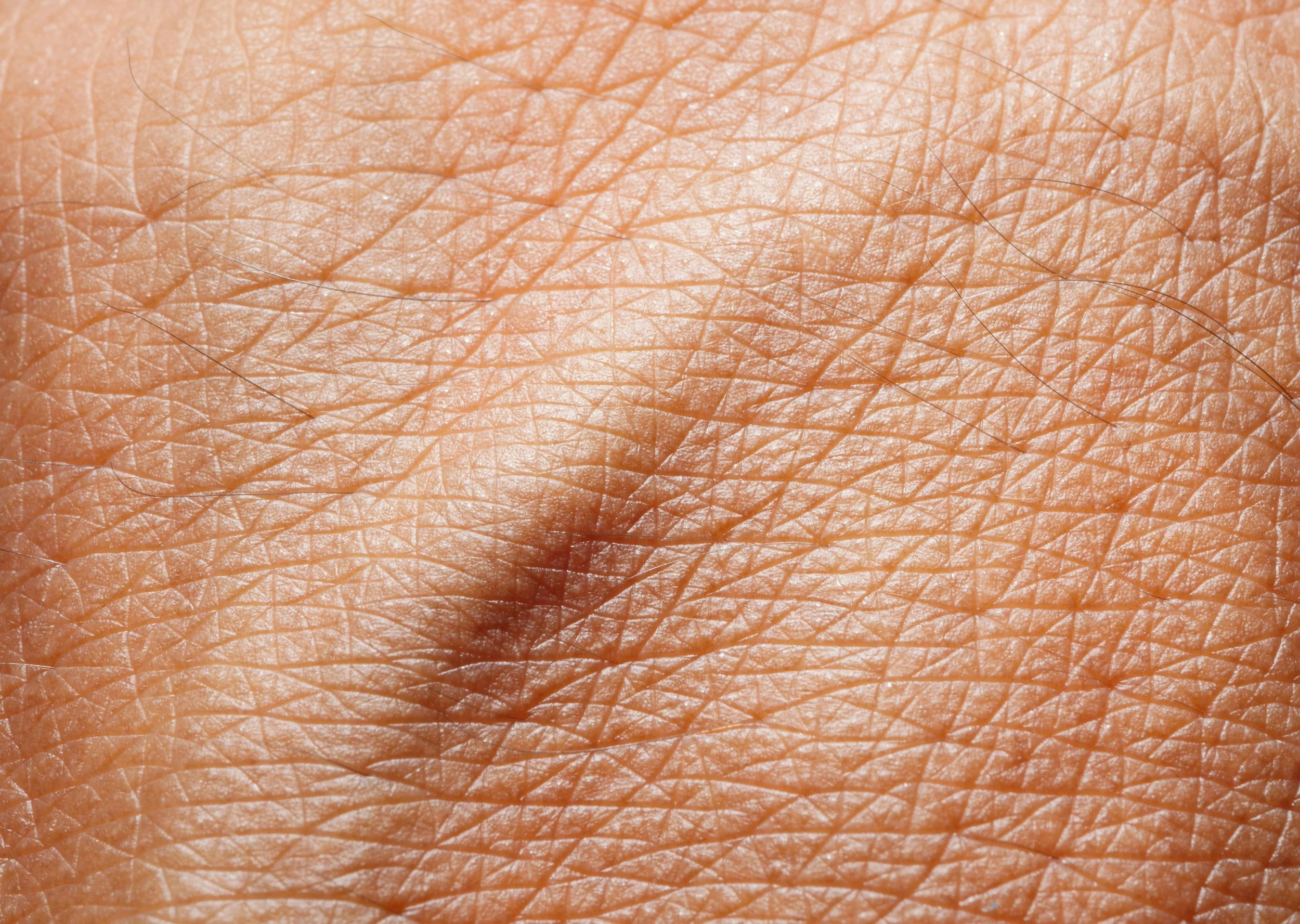
Fine Lines and Wrinkles
Softens etched lines around the eyes and mouth by rebuilding collagen in the layers beneath them.
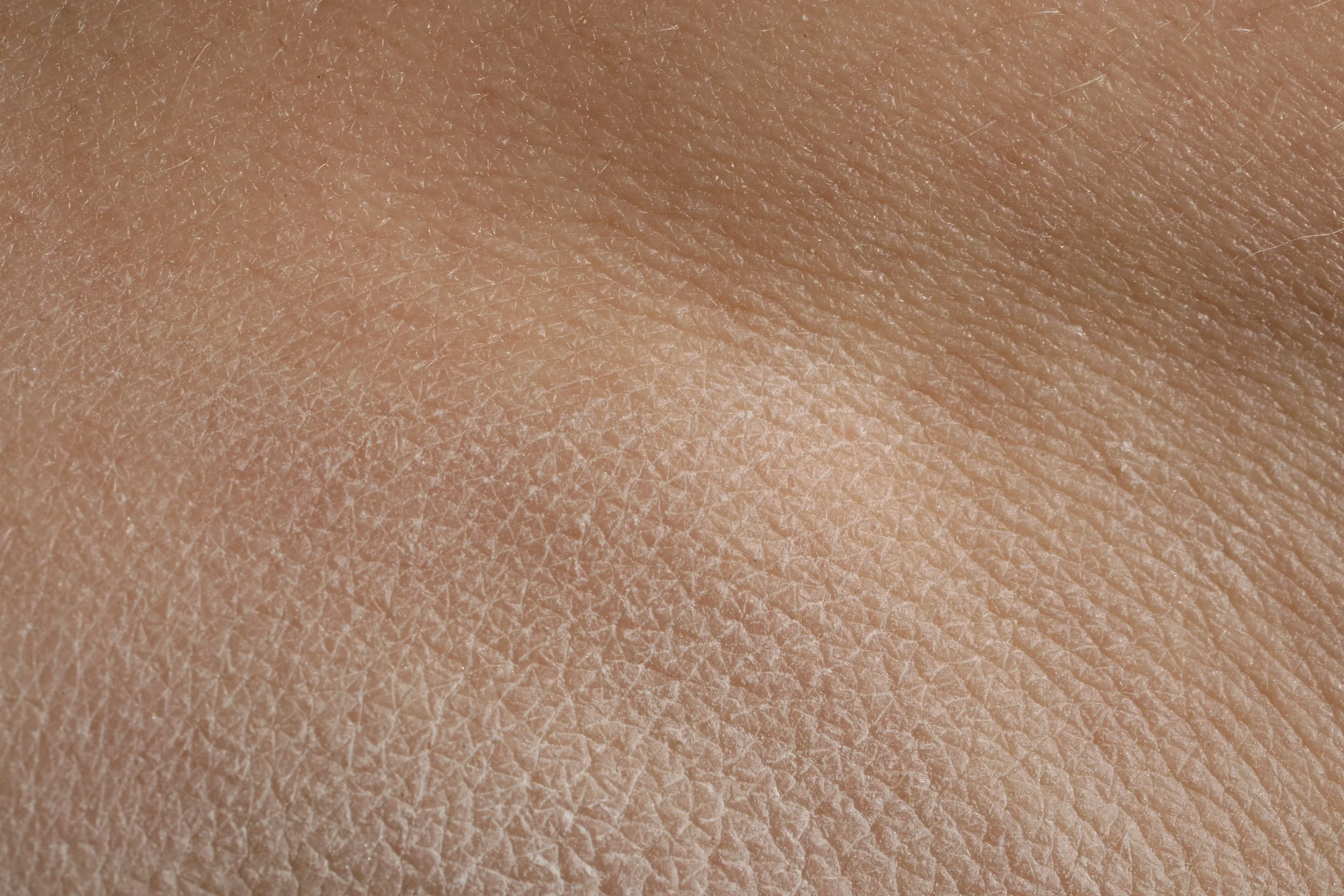
Uneve Skin Texture
Smooths roughness and irregularity so makeup sits better and light reflects evenly.
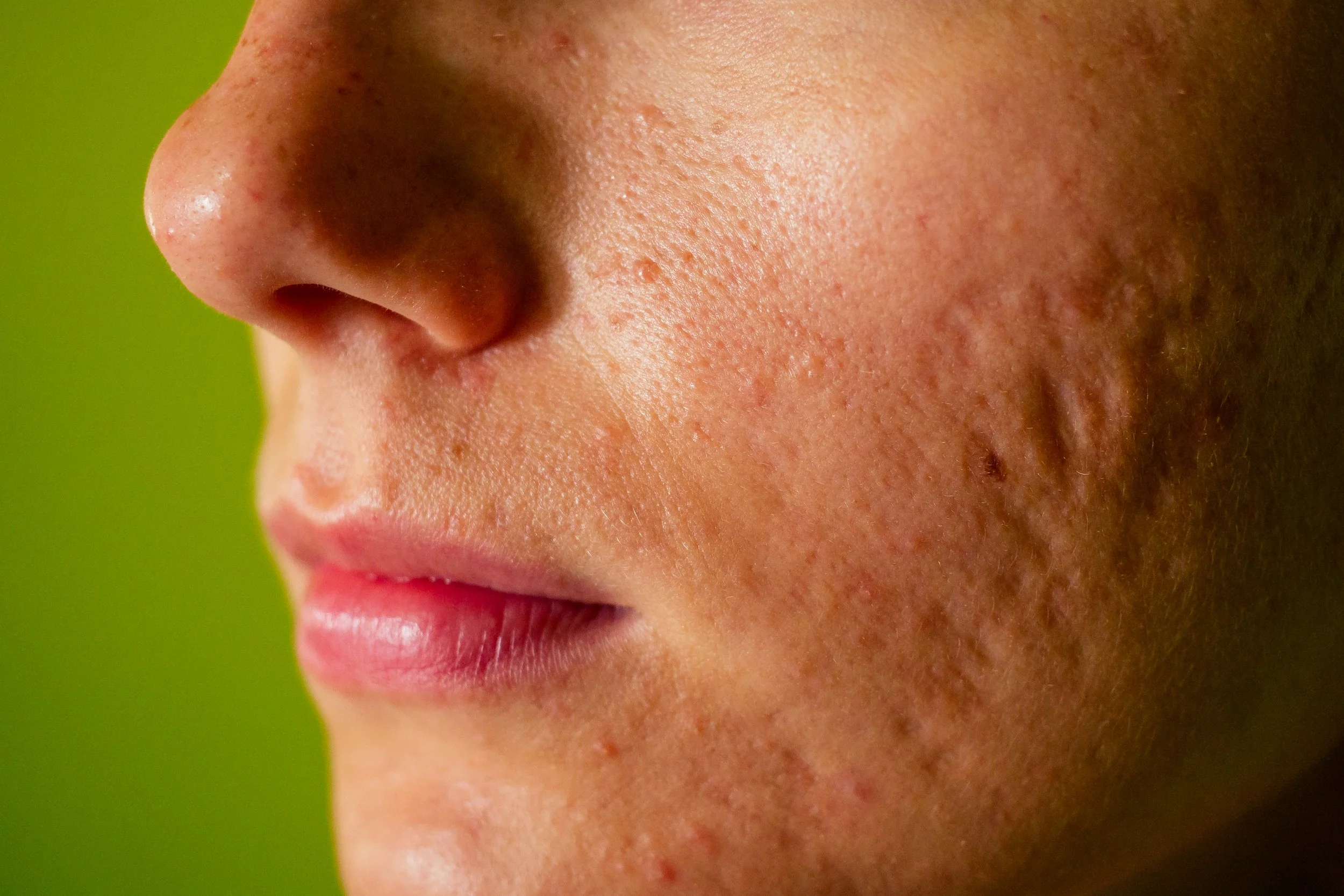
Acne Scars and Surgical Scars
Resurfaces raised and textured scarring and evens the skin around it. Older scars respond, not just recent ones.
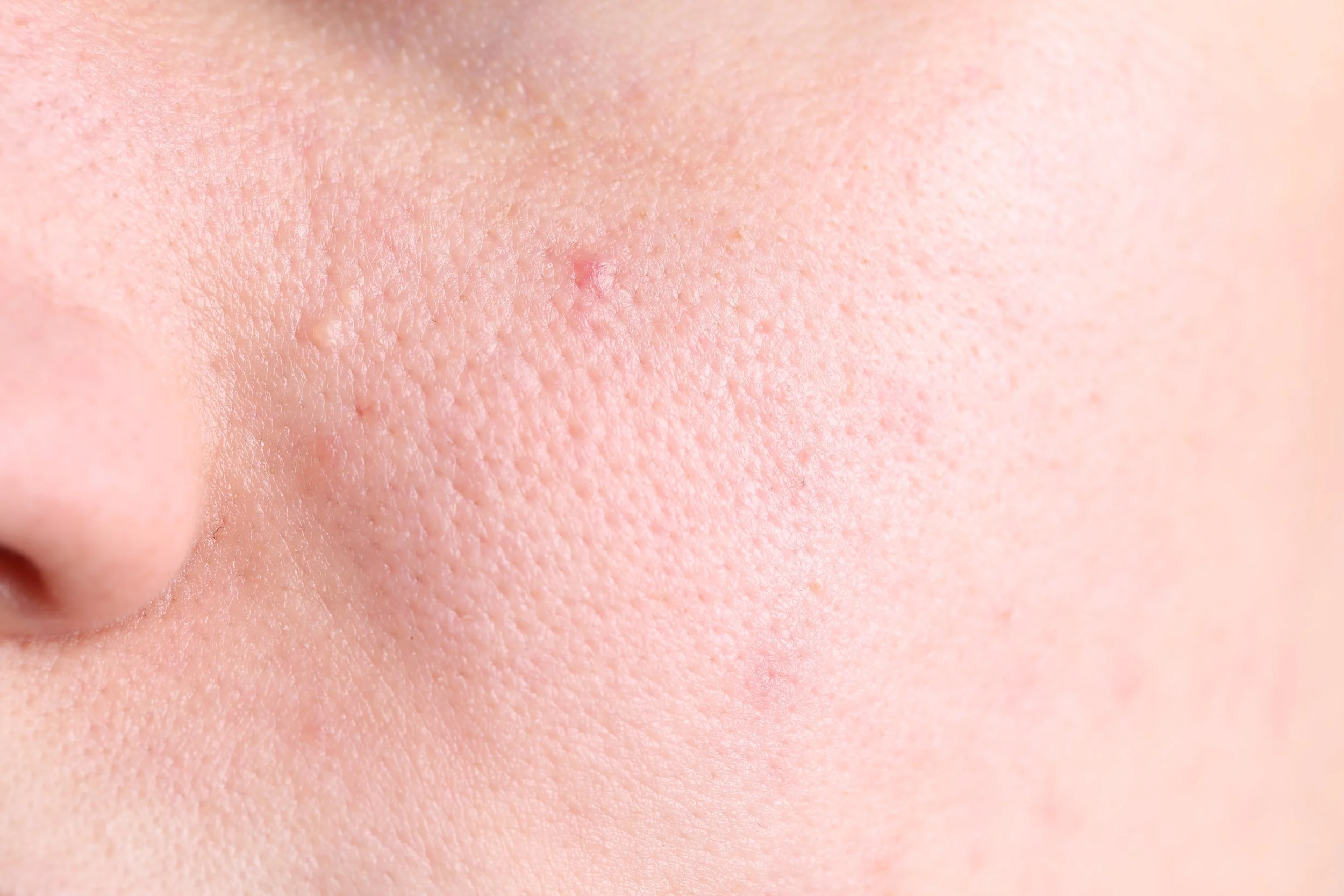
Enlarged Pores
Refines pore appearance by firming the surrounding skin.

Sun Damage and Pigmentation
Breaks up sun spots, age spots and uneven patches left behind by years of UV exposure.
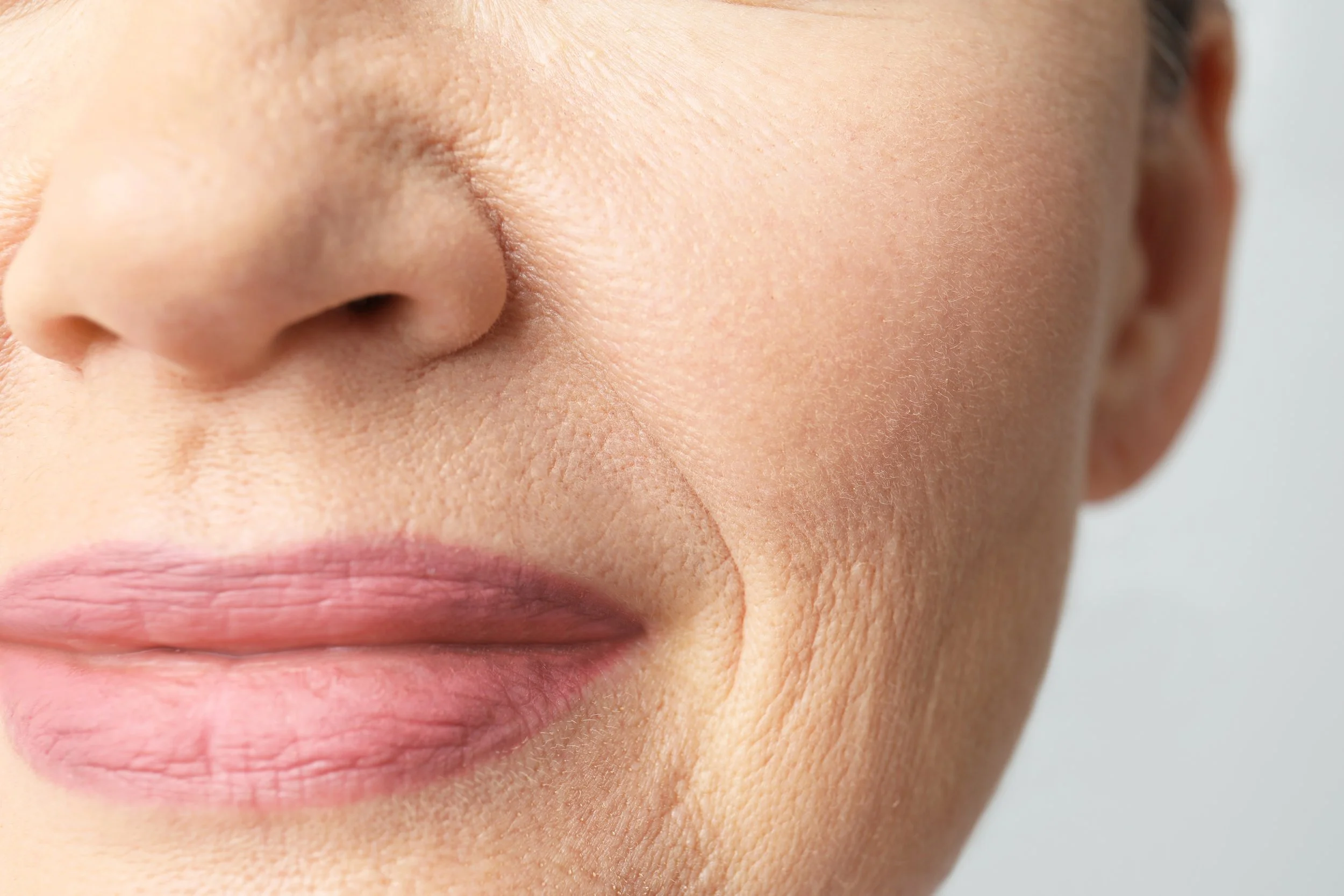
Loss of Firmness
Collagen stimulation tightens mild laxity, particularly along the jawline and neck.
Proven Results
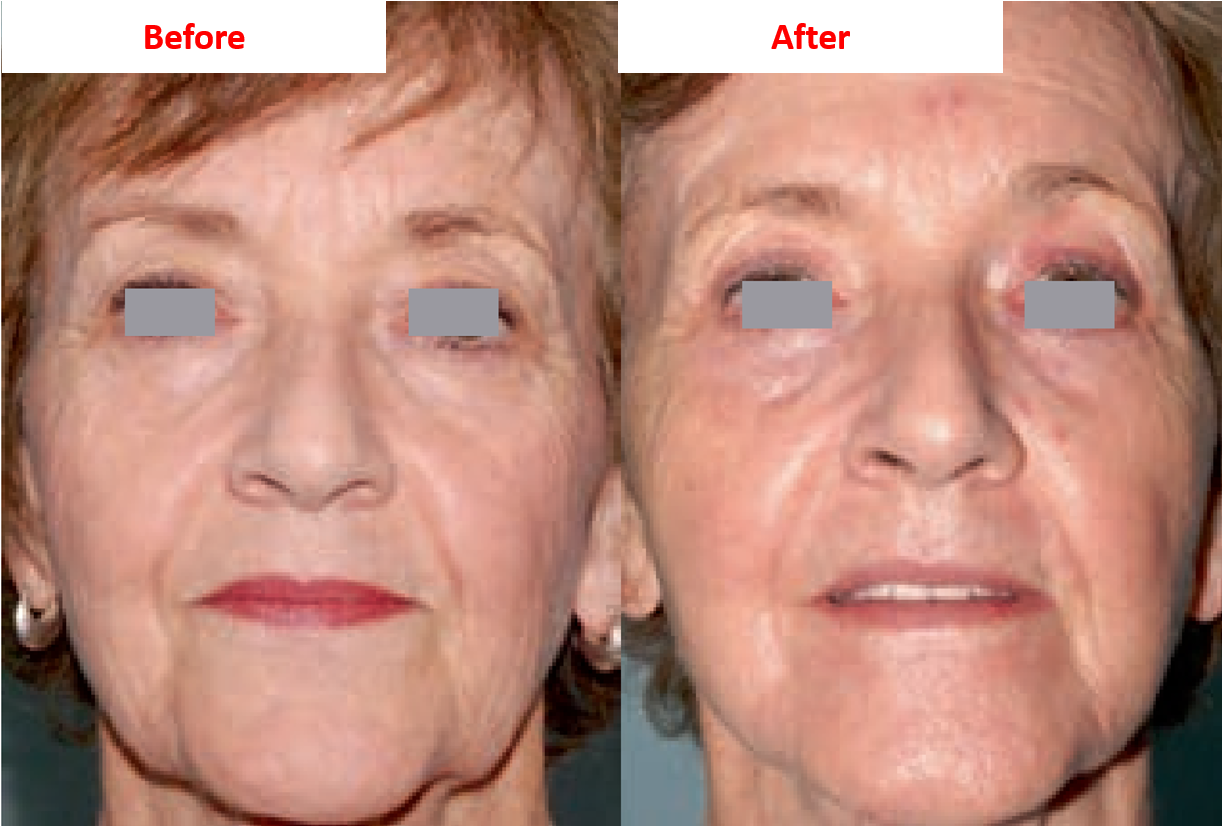
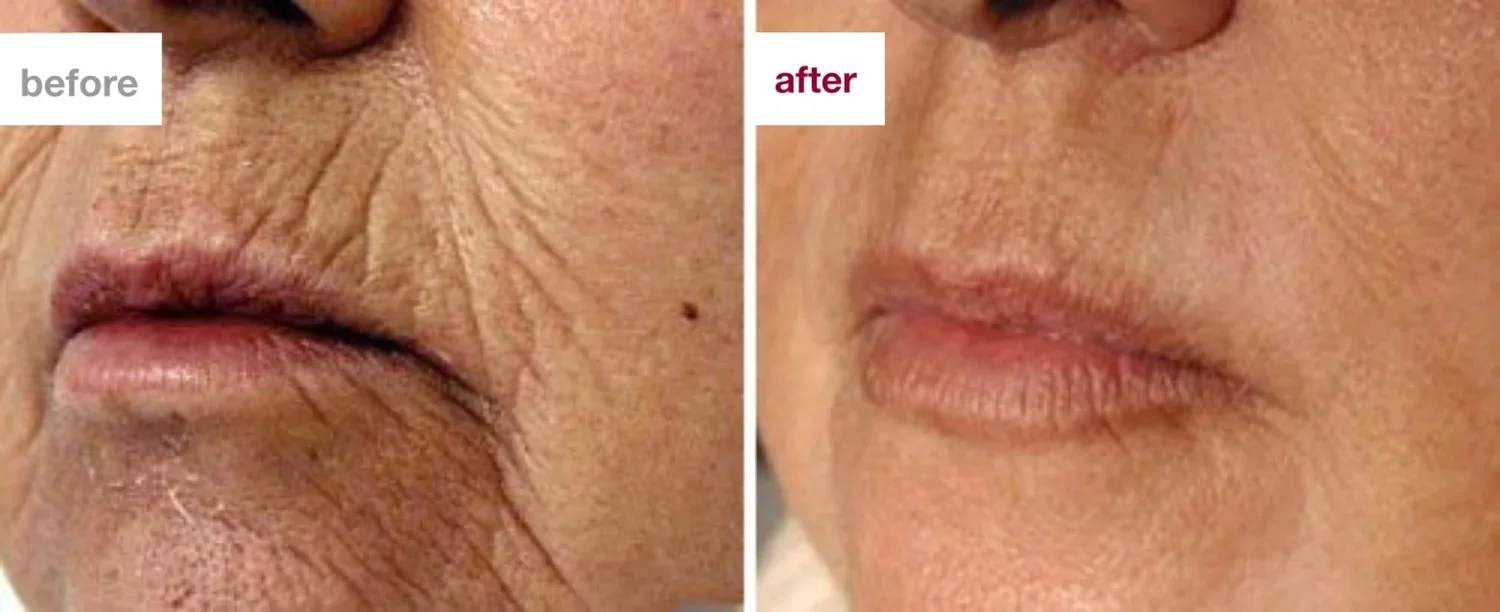
Laser uses focused laser light to treat skin imperfections, improve skin texture, and promote collagen production. It’s a popular treatment for those looking to address wrinkles, acne scars, sun damage, hyperpigmentation, and uneven skin tone.
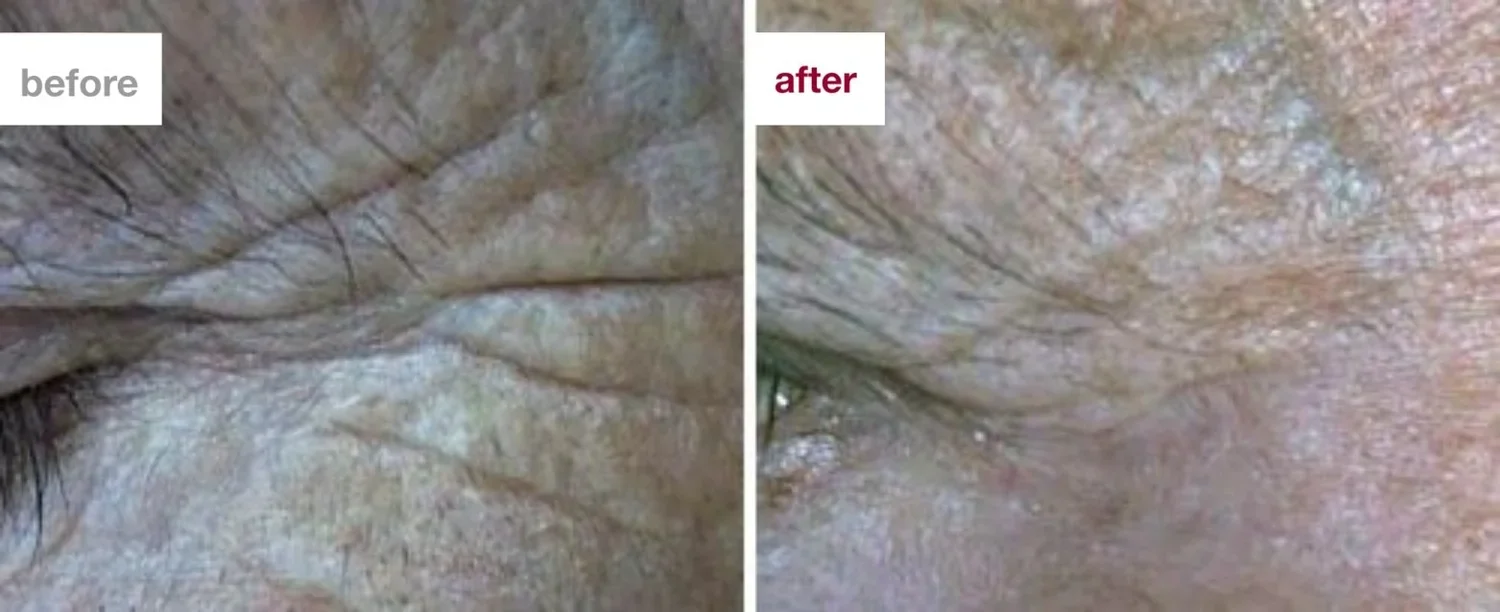
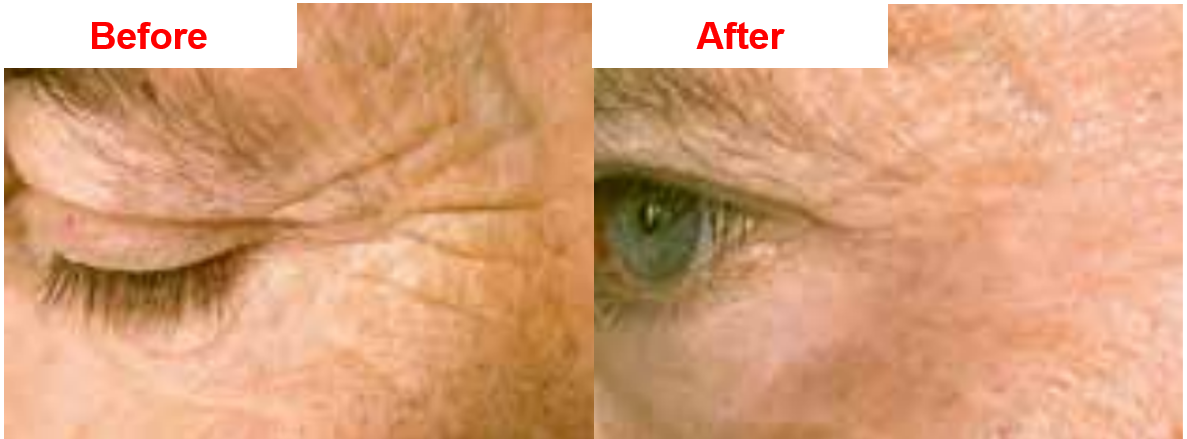
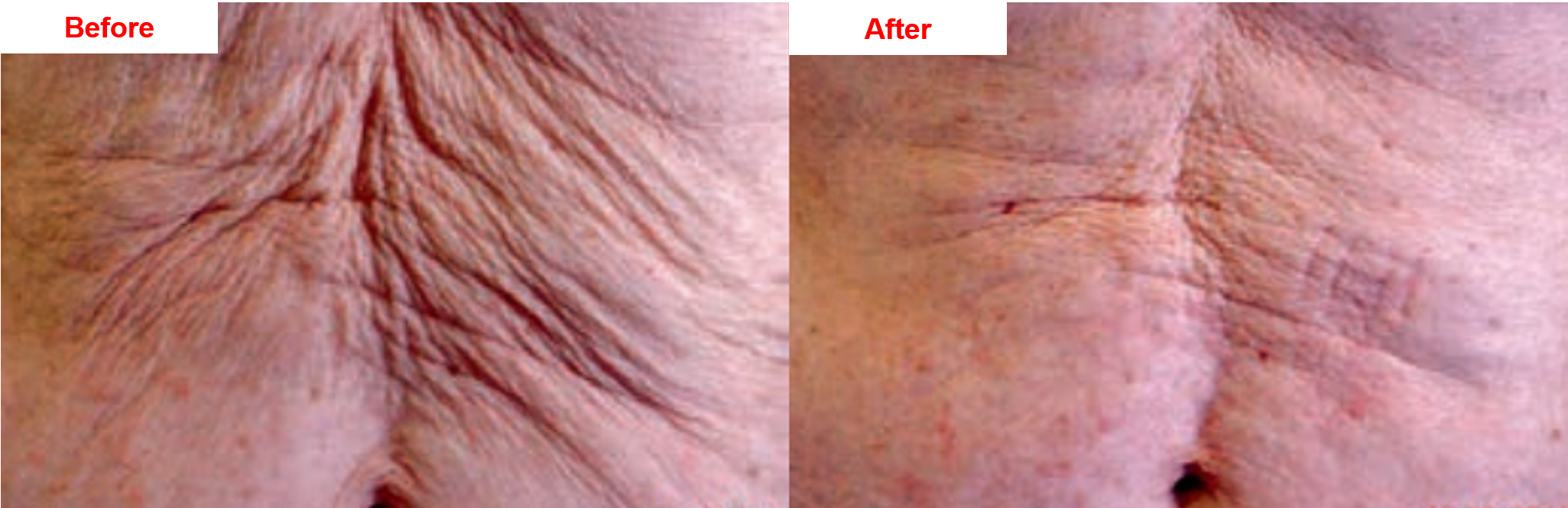
How we treat skin
Our Laser Options
We offer several laser resurfacing technologies, allowing us to tailor treatment based on your skin concerns, skin type, recovery preferences and desired results.
Technologies we draw on
CO₂ Fractional Laser Resurfacing — A deeper resurfacing option designed for more significant texture concerns, deeper wrinkles and pronounced signs of skin ageing. CO₂ fractional resurfacing stimulates collagen renewal while resurfacing damaged skin for more dramatic improvement.


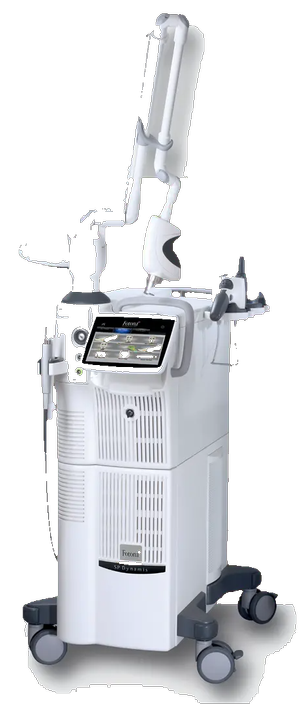
Fotona Fractional Resurfacing —A customizable resurfacing treatment that can address texture concerns, acne scars and signs of ageing. Treatment intensity can be adjusted based on your goals and the amount of downtime you are comfortable with.
Fraxel Dual — A non-ablative laser treatment designed to improve pigmentation, sun damage, enlarged pores and uneven skin texture. Fraxel Dual supports skin renewal and rejuvenation without removing the surface layer of the skin.

Fotona Er:YAG Laser Resurfacing— A precise resurfacing option for concerns including enlarged pores, pigmentation and uneven skin texture. The treatment also supports collagen remodelling while offering a shorter recovery period compared with deeper resurfacing treatments.

Your Treatment, Tailored to Your Skin
Your laser resurfacing treatment is selected based on your skin type, specific concerns, treatment goals and preferred downtime. During your consultation, we assess your skin and recommend the approach best suited to you.
Contact Us For A Free Assessment
Treatable Areas
Laser skin resurfacing can safely treat multiple areas of the body to improve texture, pigmentation, and visible signs of aging.

Neck
Horizontal banding and crepey skin along the front and sides of the neck.
Face
Lines, pigmentation and texture across the forehead, cheeks and around the mouth.

Chest
Sun damage and fine crosshatching across the décolletage.

Hands
Age spots and thinning skin on the backs of the hands.
Body
Stretch marks, scarring and rough patches on the arms, back and legs
Delicate Areas
Careful, lower-energy passes around the eyes and lips where skin is thinnest.
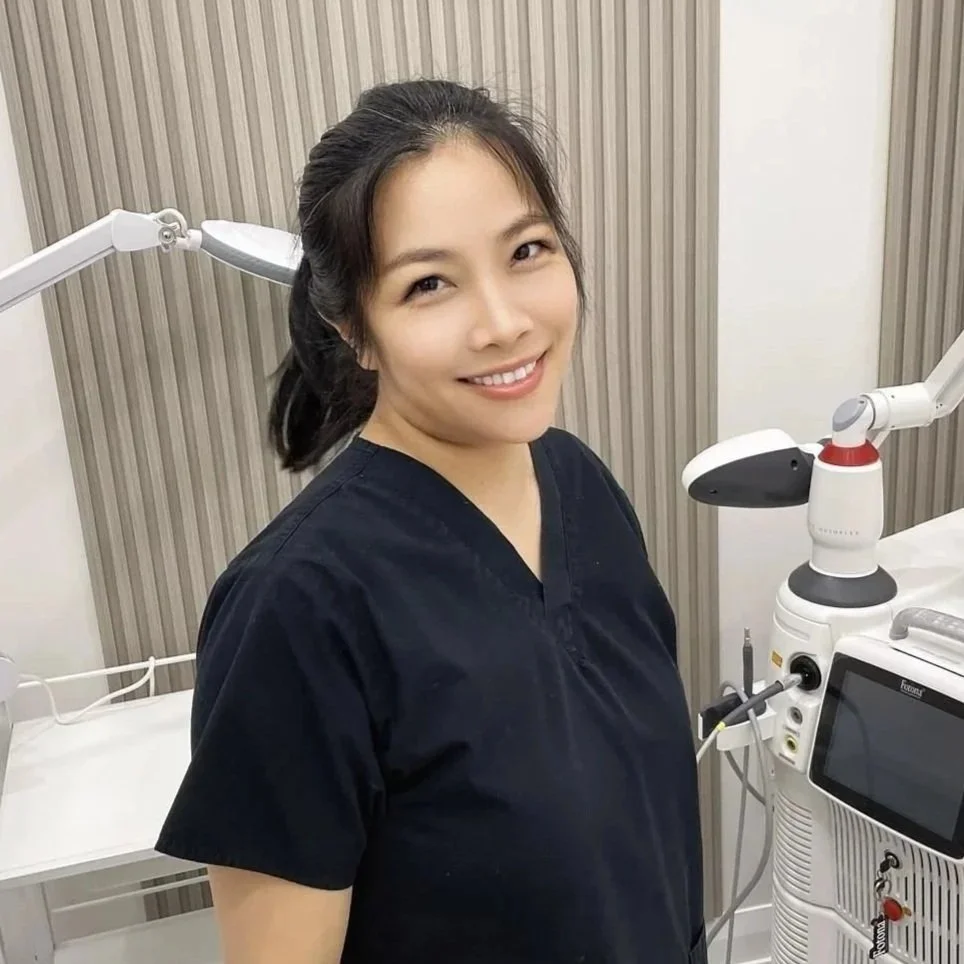
Diane Cao
Diane is a highly experienced Medical Aesthetics Specialist with 15 years of expertise in advanced skin care and laser treatments. She specializes in skin rejuvenation, resurfacing, medical-grade skin care, and a variety of laser-based procedures designed to improve skin health and enhance natural beauty.
Her expertise includes laser skin resurfacing, non-surgical facelifts, acne and acne scar treatment, rosacea and melasma correction, sun damage and pigmentation removal, scar removal, birthmark and lesion removal, stretch mark and cellulite reduction, hair restoration, and laser hair removal.
With a deep understanding of skin science and cutting-edge technologies, Diane is committed to delivering personalized, results-driven treatments that address individual concerns. Her dedication to patient care, safety, and achieving natural, long-lasting results makes her a trusted professional in the field of medical aesthetics. Every resurfacing consultation at Emerald Skin Lab starts with an assessment by Diane.
Sr. Medical Aesthetician
Every face is different. So is every laser plan.
We assess your skin first, then choose the depth, the technology and the pace that suit it — and change course if your skin tells us to.
Your free consultation
We look at what’s actually driving the concern: texture, pore size, pigment, sun damage, fine lines, and how your skin has healed in the past.

Your skin type
We assess your Fitzpatrick skin type, because settings that suit very fair skin can trigger pigmentation changes in deeper tones. Darker skin needs a different approach, not a weaker one.

Depth and downtime
How deep we work is a decision we make with you. Some results are worth a week of recovery; sometimes the better plan is a gentler course you can fit around your life.

A careful start
Where it’s appropriate we begin conservatively or test a small area first. Improving your skin should never come at the cost of creating a new problem.

Following up
With your consent we photograph the area at each visit, review your progress together, and adjust the plan as your skin responds.

Take Advantage of This Treatment With Us
What to Expect

-
To determine if Fotona4D is right for you, a personalized assessment is essential. This assessment evaluates your skin type, concerns, and aesthetic goals, allowing our skilled professionals to tailor a treatment plan that suits your individual needs. Whether you're looking to reduce fine lines, improve texture, or enhance overall radiance, we will guide you through the process to achieve optimal results. Schedule your consultation today to explore the transformative potential of Fotona4D.
-
Before your treatment, your specialist will review all the details with you, answer any questions, and obtain your consent. Once everything is confirmed, they will capture photos to document your starting point and track your progress..
-
Avoid Sun Exposure: Limit sun exposure and tanning for at least 2 weeks prior to treatment.
Discontinue Irritants: Stop using retinol, AHAs, BHAs, and other exfoliating products 5-7 days before treatment.
-
Laser Resurfacing is a 30-60 minute non-invasive laser procedure that causes almost no downtime or discomfort, allowing you to carry on with your daily activities as usual. An immediate freshness and tightness of the face can be seen soon after the treatment, but the full effect unfolds gradually over a period of 2-3 months. One can expect continuing improvement for up to six months after treatment.
Follow-Up and Maintenance
Sun Protection: Avoid sun exposure until healed. Use SPF 30+ sunscreen.
Gentle Care: Use mild cleanser, healing ointment, and use non-comedogenic products. Avoid scrubs, retinoids, acids (AHA/BHA), vitamin C, or other active skincare products. Avoid picking or scratching peeling skin. Avoid makeup for 48 hours.
Rest: Avoid sweating, saunas, swimming and strenuous activities until healed.
Follow-Up: Full results often appear over several months as collagen remodelling continues.
Contraindications
Pregnant or Breastfeeding Women: Treatment should be postponed during pregnancy or breastfeeding. Extra caution is advised for individuals with very sensitive skin or darker skin tones (Types V and VI).
See if this treatment is right for you.
FAQs
-
Ablative Laser Resurfacing (CO2, Er:YAG) results can last 3-5 years or more, with maintenance required to preserve the results.
Non-Ablative Laser Resurfacing (Fractional CO2, Fractional Er:YAG, Nd:YAG) results typically last 1-3 years, but require ongoing treatments for sustained improvement.
Sun protection, a healthy lifestyle, and good skincare are crucial to maintaining the effects of the procedure for as long as possible.
-
Yes, laser resurfacing can be highly beneficial for improving the texture, tone, and appearance of your skin, especially for those dealing with wrinkles, scarring, sun damage, or uneven skin tone. The treatment stimulates collagen production, leading to firmer, smoother, and more youthful-looking skin.
-
Laser resurfacing is suitable for a wide range of people, particularly those who want to address common skin issues such as:
Fine lines and wrinkles.
Sun damage (e.g., sun spots, age spots).
Uneven skin tone (e.g., redness, pigmentation issues).
Acne scars or textural scars.
Enlarged pores.
-
Ablative lasers (CO2, Er:YAG) are more painful due to the deeper skin resurfacing they perform. While numbing agents and sedatives help manage discomfort during the treatment, post-treatment pain can range from moderate to severe in the days following the procedure.
Non-ablative lasers (Fractional CO2, Nd:YAG) are much less painful and generally have mild discomfort during and after the treatment.
The overall pain experienced can vary based on individual pain tolerance and treatment intensity, but the procedure is generally well-tolerated with proper preparation, pain management, and aftercare.
Pain Management During the Procedure:
To minimize discomfort during the procedure, the following techniques are typically used:
Topical Numbing Cream: Applied to the skin about 30 minutes before treatment to numb the area and reduce pain.
Local Anesthesia: For more invasive procedures, particularly ablative lasers, a local anesthetic (usually an injection) may be used to completely numb the treatment area.
Sedation: For highly sensitive individuals or aggressive treatments, some patients opt for oral sedatives or a mild IV sedative to relax and numb the body further.