
Professional Scar Treatments in Toronto
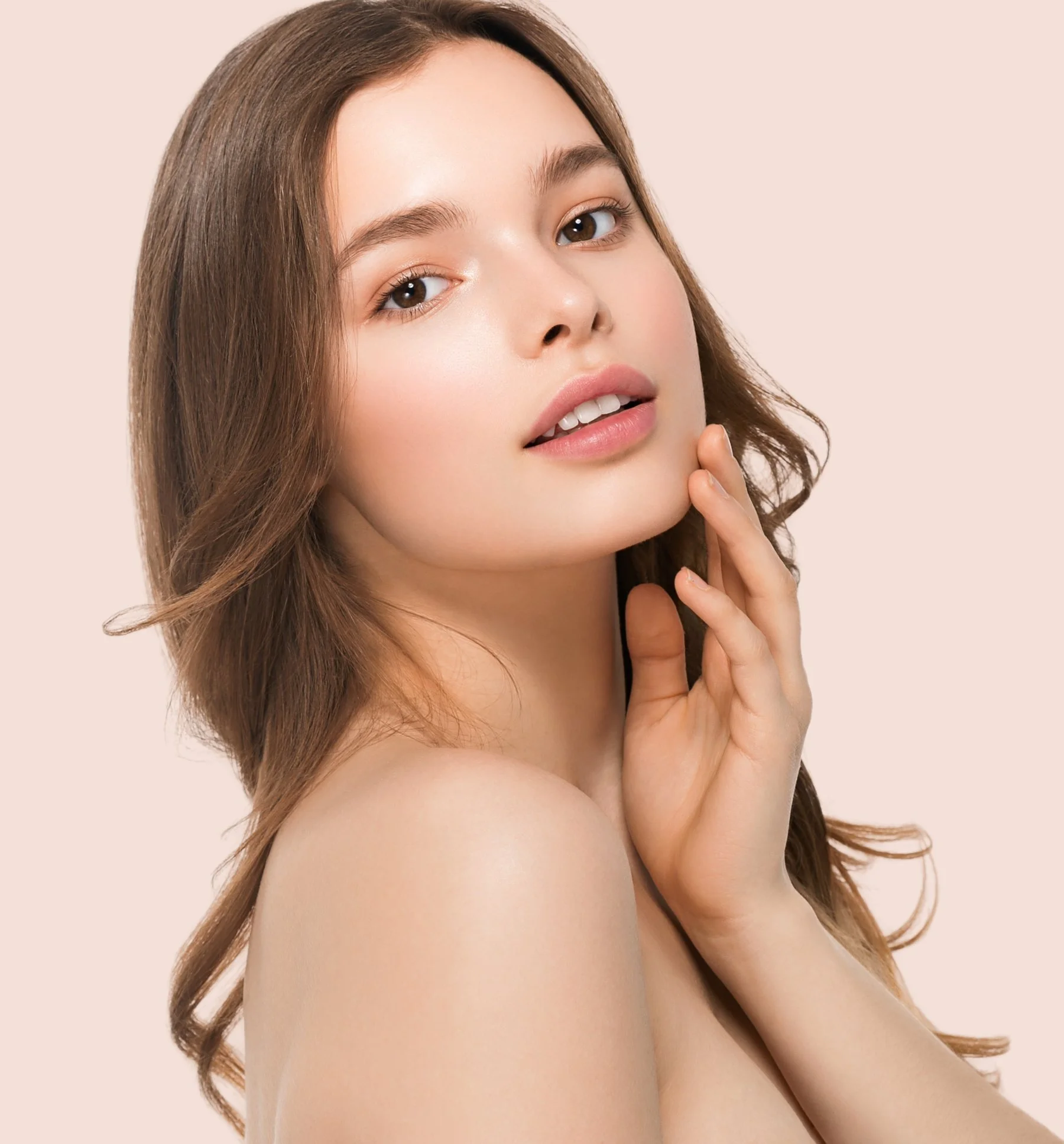
Your scar doesn't have to be the first thing you notice. Whatever it came from — acne, surgery, an injury, a burn — it doesn't have to stay the way it is. We look at your scar, your skin type, and what's specific to you — then choose the treatment from there.

Free consultation

30–60 minutes per session

Minimal downtime
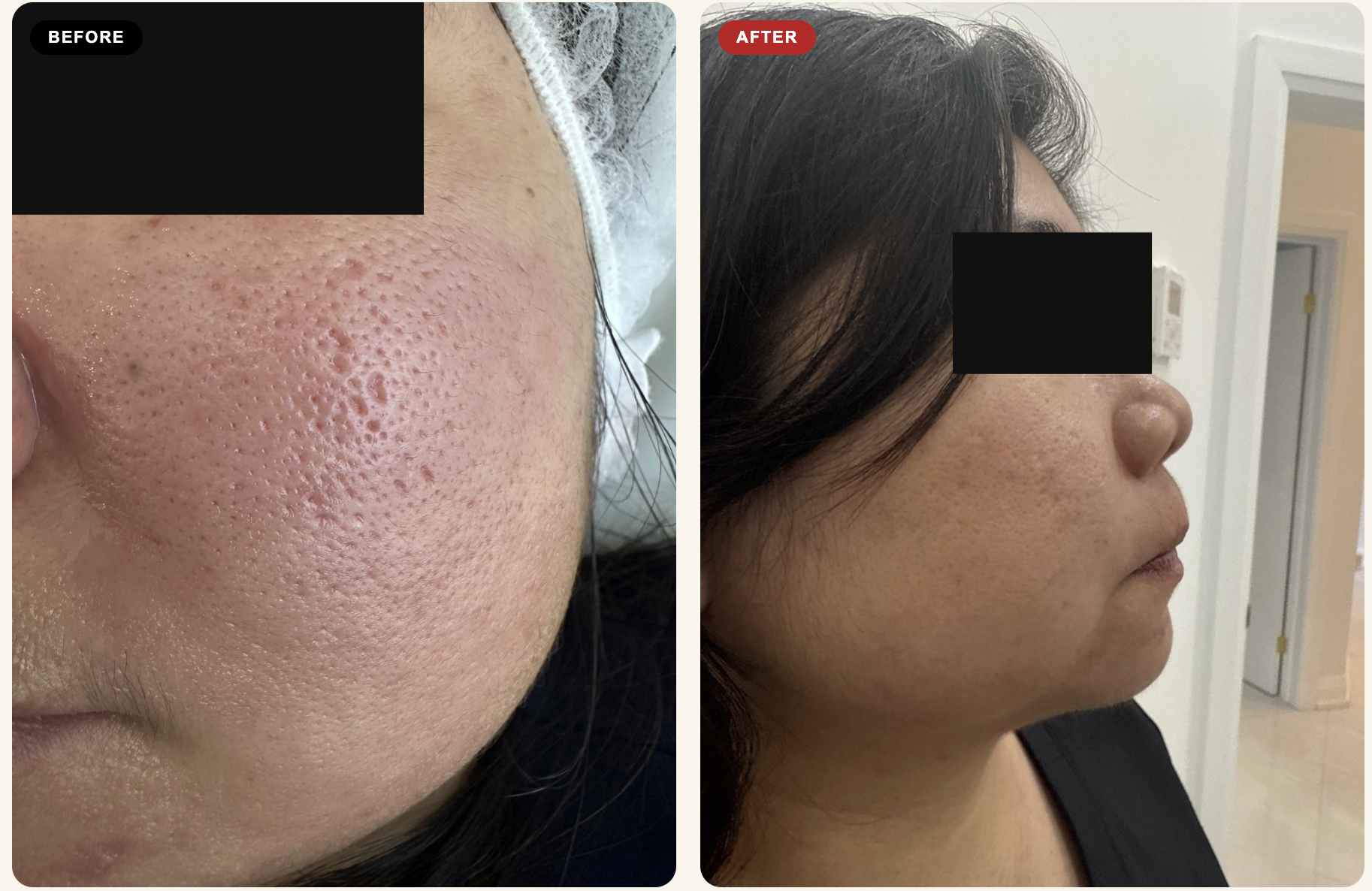
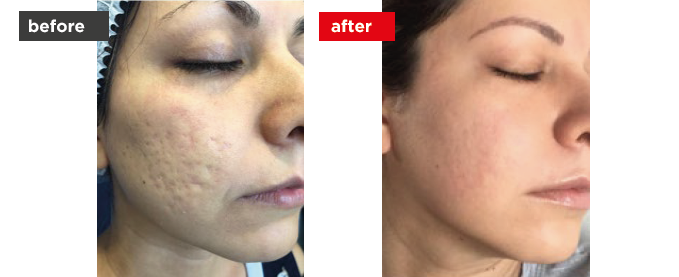
Proven Results for All Skin Tones
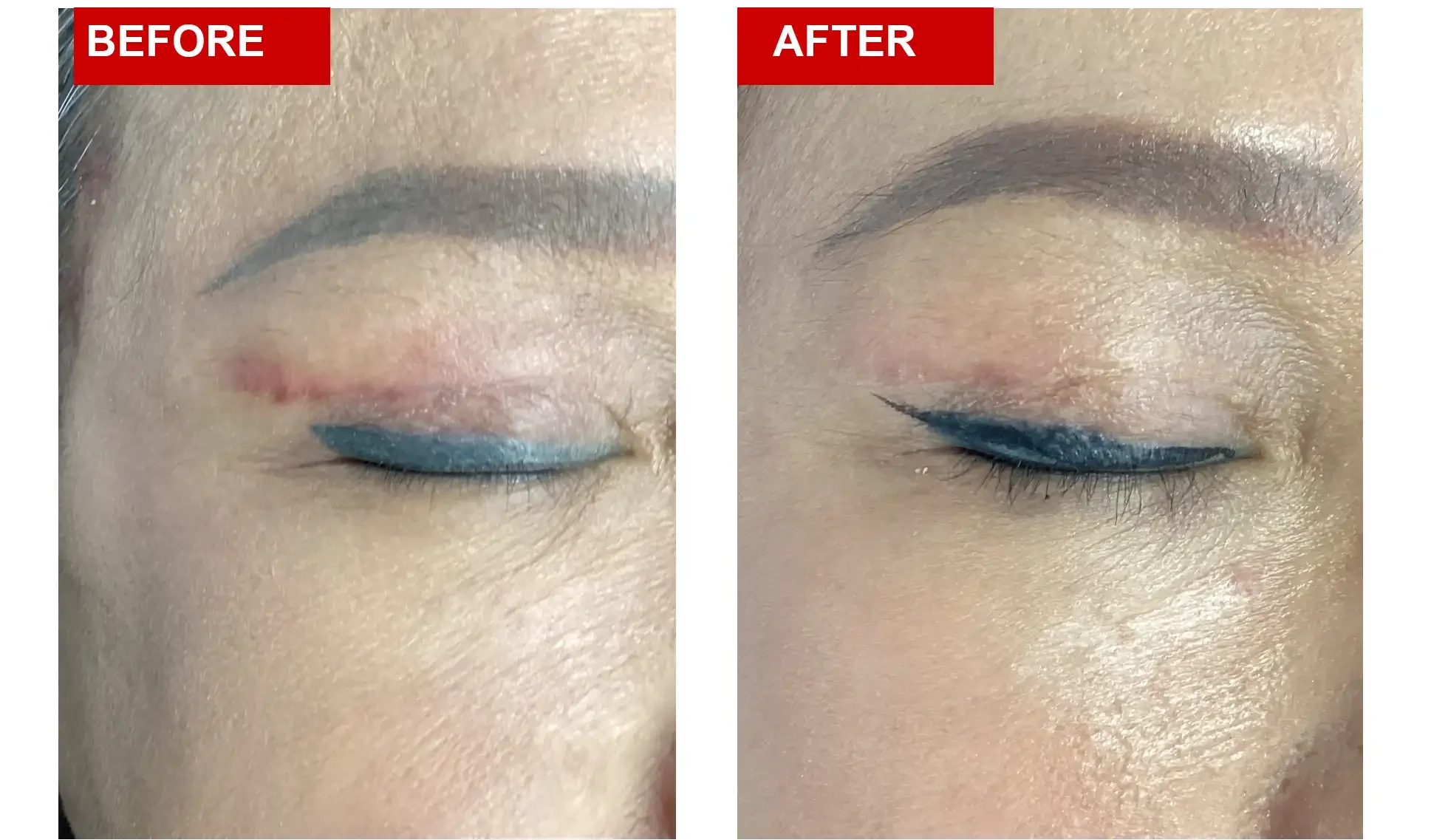
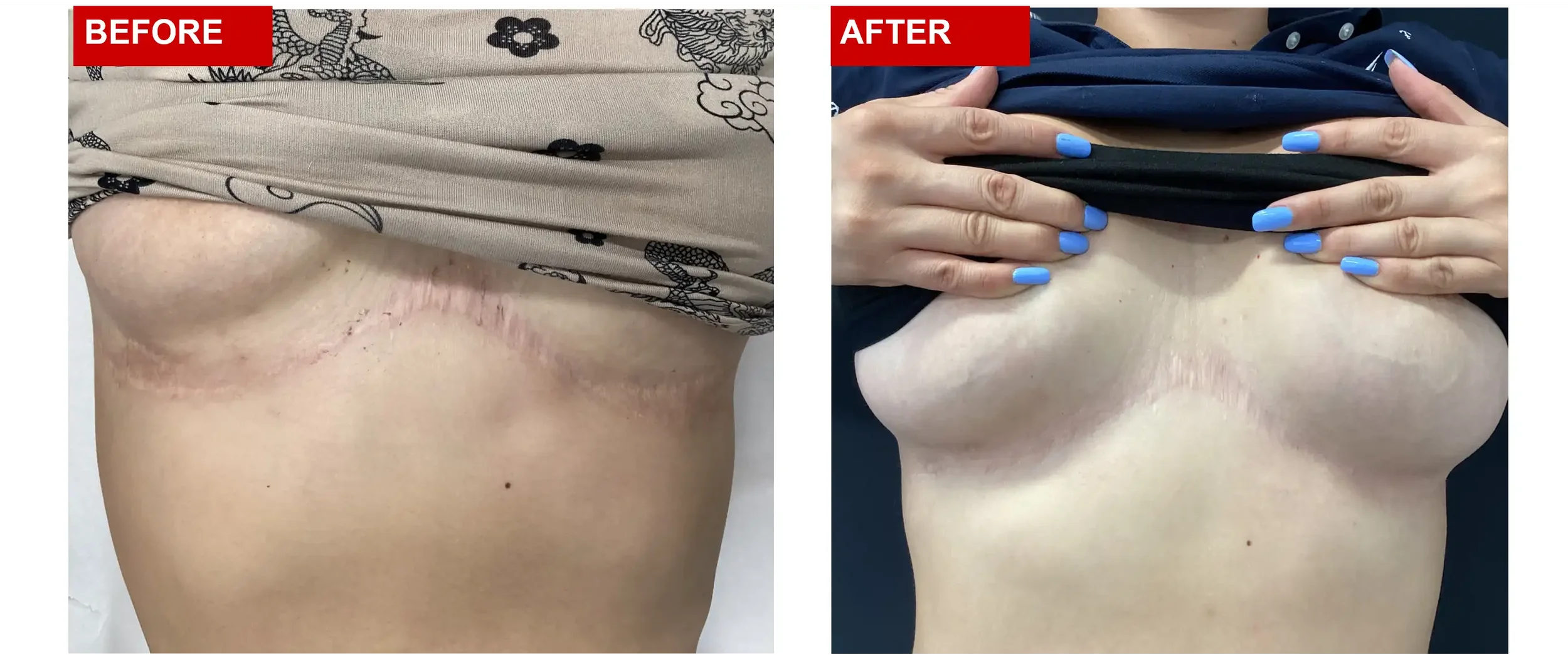
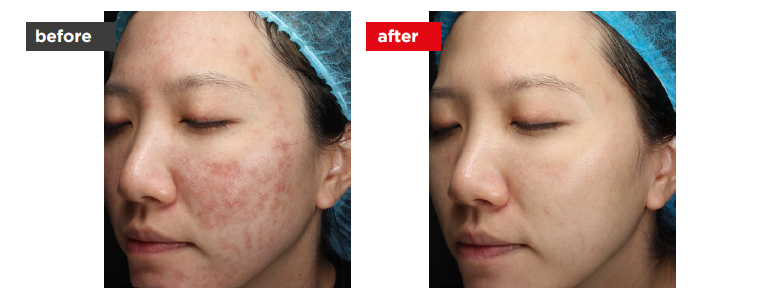
Our laser scar-revision treatments use cutting-edge dual-wavelength technology to reduce the appearance of scars and improve skin texture — safely and effectively across the full range of skin tones.
Why Choose Us?

SAME DAY APPOINTMENT AVAILABLE

4.9 REVIEWS SCORE

FREE CONSULTATION

EXPERT MEDICAL SUPERVISION

FDA / HEALTH CANADA
APPROVED

OVER 20 YEARS OF EXPERTISE
Understanding Different Scar Types
When skin is injured, it repairs itself as quickly as possible, but the new tissue rarely looks exactly like the original. A scar may be raised, indented, darker, lighter, or otherwise different from the surrounding skin. How a scar develops varies from person to person, influenced by factors such as skin tone, age, location, movement, and how the skin responded to inflammation during healing.
Because every scar and healing process is different, there is no one-size-fits-all treatment. Instead of starting with a machine or procedure, we start by understanding your skin and the type of scar you have. From there, we can choose the most appropriate approach for your skin and adjust the treatment as it responds over time.
-
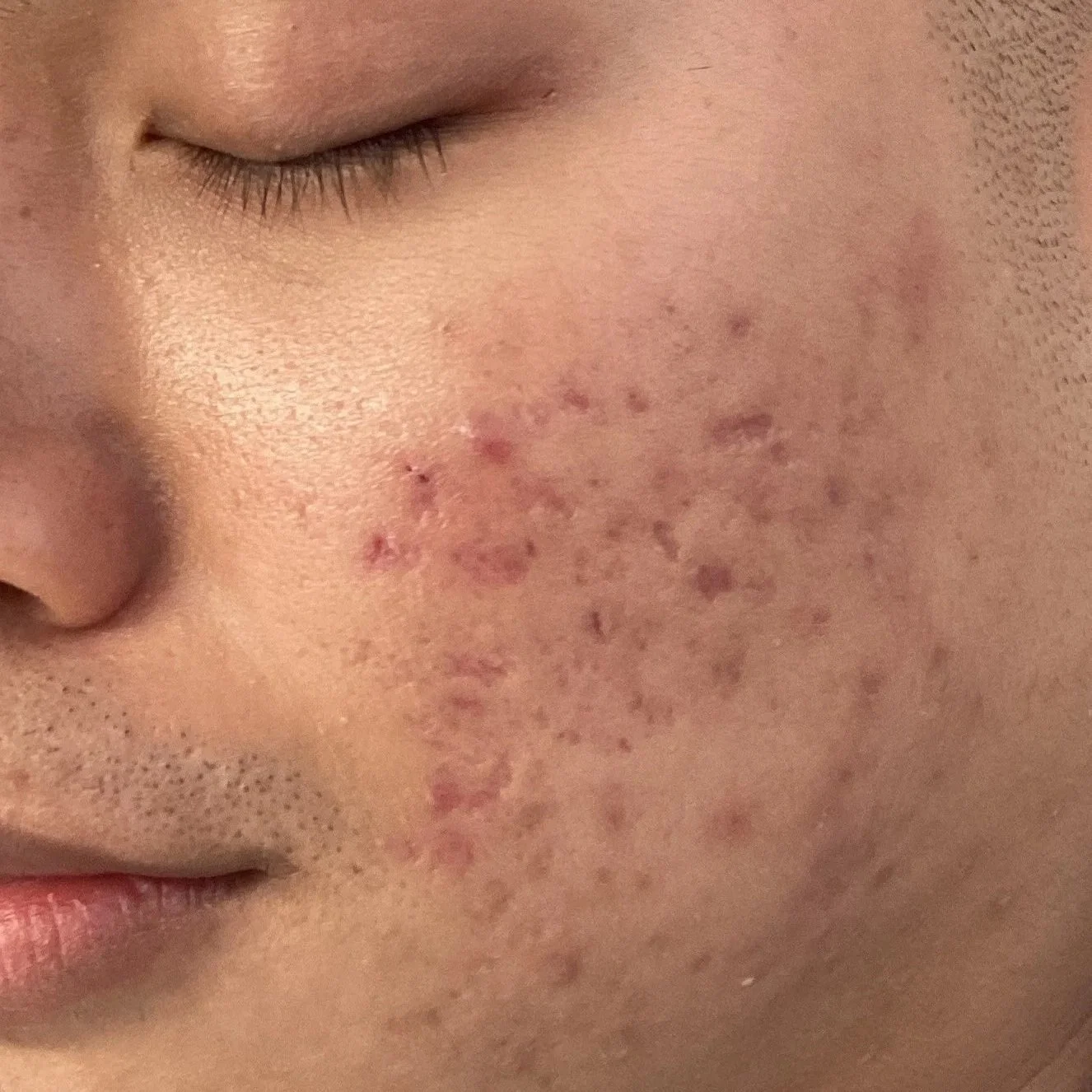
Atrophic scars
Characterized by the formation of an indentation caused by a lack of dermis.
-

Hypertrophic scars
A keloid is a common hypertrophic scar that forms a small raised relief through a thicker dermis at the lesion site.
-

Pigmented Scars
Pigmented scars arise from dermal protrusion and discoloration.
-

Depigmented scars
Which are lighter in colour than the natural pigmentation.
How we treat scars
The right technology, not just the available one
Laser resurfacing works by creating controlled micro-injuries in the skin, which prompts your body to rebuild collagen and replace scar tissue with healthier, better-organized skin. How deeply we work, how intensely, and how often depends entirely on your scar and your skin.
Lasers
Ablative lasers, including CO₂ — work more deeply and are often considered for pronounced texture and depressed scarring, with a longer recovery.

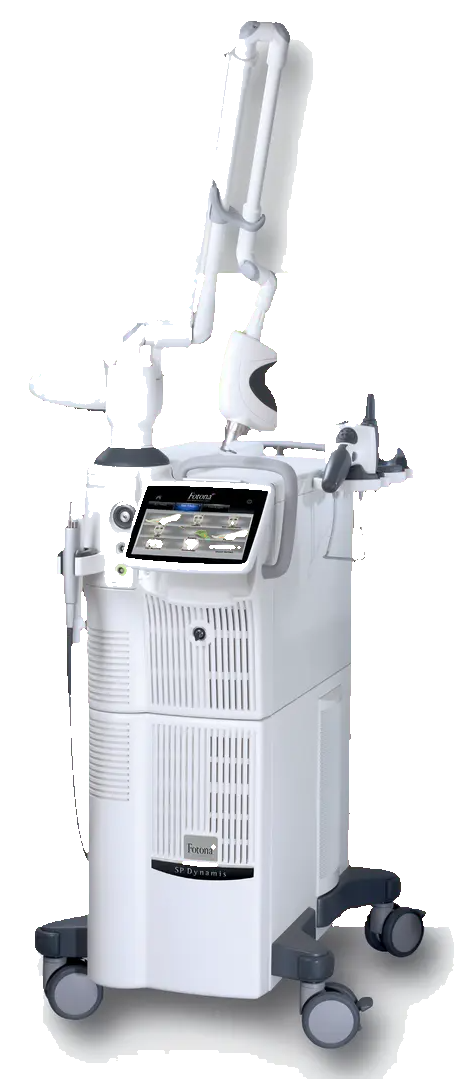
Fractional lasers —treat a portion of the skin at a time, leaving healthy tissue in between to speed healing, which allows for meaningful remodeling with less downtime. The Fotona FS01 (Er:YAG) works this way, with depth, density and energy set to your skin rather than fixed at one level.

Non-ablative options —work below the surface without removing the outer layer of skin, and are often the safer starting point for deeper skin tones or for anyone who can’t take time away from work. Fraxel Dual is the platform we use here in this case.

Different wavelengths, different targets — some target texture; others target the brown or red discolouration a scar leaves behind. Which one suits you is a decision we make together at your consultation.

Contact Us For A Free Assessment
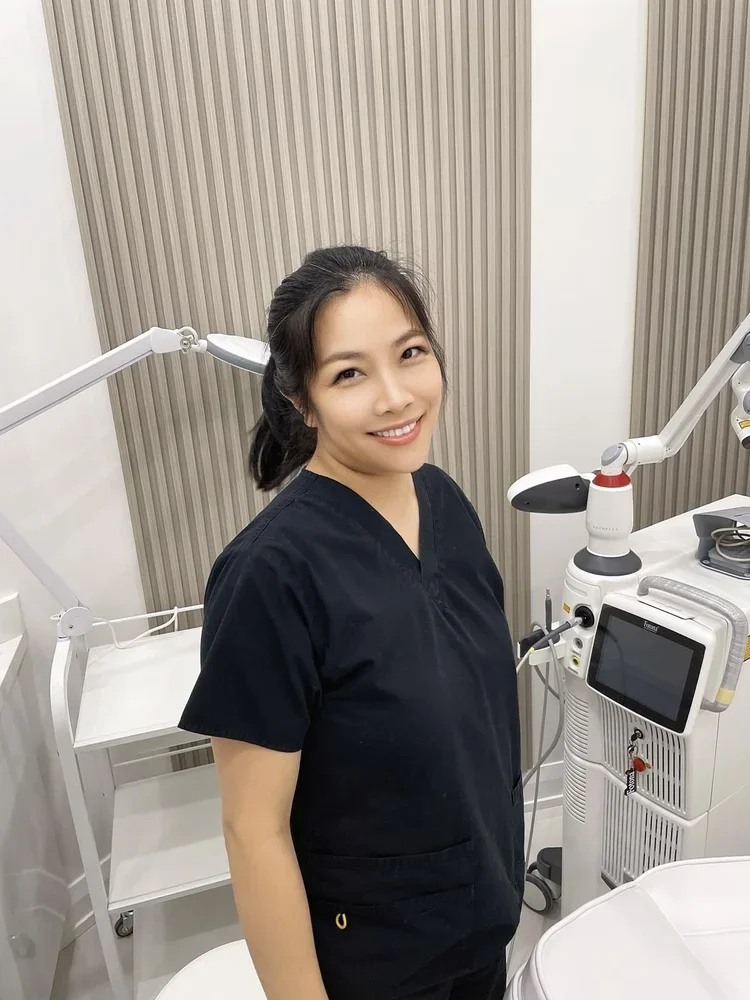
Diane Cao
Sr. Medical Aesthetician
Diane is a highly experienced Medical Aesthetics Specialist with 15 years of expertise in advanced skin care and laser treatments. She specializes in medical-grade skin care, acne treatments, and a variety of laser-based procedures designed to improve skin health and enhance natural beauty.
Her expertise includes scar removal, leg veins treatment, rosacea and melasma correction, sun damage, sunspots and freckles removal, birthmark removal, lesion removal, skin rejuvenation, non-surgical facelifts, stretch mark and cellulite reduction, hair restoration, and laser hair removal.
With a deep understanding of skin science and cutting-edge technologies, Diane is committed to delivering personalized, results-driven treatments that address individual concerns. Her dedication to patient care, safety, and achieving natural, long-lasting results makes her a trusted professional in the field of medical aesthetics. Every scar consultation at Emerald Skin Lab starts with an assessment by Diane.
Every scar is different. So is every treatment plan.
We assess your skin first, then choose from the technologies and techniques that suit it — and change course if your skin tells us to.

Your free consultation
We look at the scar and the skin around it: type, depth, colour, texture, and how your skin has healed in the past.

Your skin type
We assess your Fitzpatrick skin type, because the settings that suit very fair skin can risk pigmentation changes in deeper skin tones. Darker skin needs a different approach, not a weaker one.
A plan built for your scar
Sometimes one laser is enough. Often the better answer combines treatments that each address a different part of the problem. We'll explain why we're recommending what we're recommending.

A careful start
Where it's appropriate, we begin conservatively or test a small area first. Improving the scar should never come at the cost of creating a new problem.

Following up
With your consent we photograph the area at each visit, review your progress together, and adjust the plan as your skin responds.
“Healing is possible thanks to the action of collagen, a protein known for its effects on the firmness and elasticity of young and healthy skin! Collagen reunites the skin fibres to promote the healing process.”
Did You Know?
Immune System
Following skin traumas such as burns, injuries, severe acne or surgeries, the skin regenerates itself to protect against infections and then closes and heals the damaged area. Healthy cells migrate to the wound and then multiply to complete the healing process. The latter can cause hyperkeratinization – the abnormal multiplication of epidermal cells, which results in a texture that is different from the rest of the skin.
What are the Causes?
Lifestyle
Diet, physical activity, stress management, alcohol and tobacco consumption, as well as environmental aggressors such as cold and sun are all factors that influence healing. Lifestyle can have an impact on collagen production and skin cell multiplication, which in turn can slow down healing making scars more noticeable in individuals with unbalanced diets and sedentary and/or stressful lifestyles
Age
Over time, cells multiply and regenerate less quickly and collagen production slows down. This explains why children’s scars form quickly and why those of adults and older people form more slowly and tend to remain more apparent, which can lead to weaker scars and slower wound closure.
Skin Type
Skin type is an important determinant of how the scars heal. Darker skin types (IV and up) are more likely to heal with hypertrophic scars or keloids. Areas where there is a lot of movement such as around joints can result in a worse looking scar due to constant stretching of the scar. Hypertrophic scars are excess scar tissue within the boundary of the original scar, whereas keloid scars are excess scar tissue that goes beyond the original scar.
FAQs
-
The cost of scar treatments varies based on the method, ranging from $200 per session for chemical peels to $2,000 for advanced Fractional Laser therapy. Professional consultations determine the best scar removal treatment and accurate pricing.
-
The best treatment for scars depends on the scar type. Options include Fractional Laser therapy for deep scars, microneedling to stimulate collagen, chemical peels for discoloration, and dermal fillers for indentations, all offering effective scar reduction.
-
Scar revision treatments are typically well-tolerated, with minimal discomfort. Procedures like laser therapy or microneedling may cause mild stinging or tingling, while surgical scar revision uses local anesthesia to minimize pain during the process.
-
Scars form when the skin heals from injuries such as acne, cuts, burns, surgery, or other traumas. They occur due to excess or insufficient collagen production during the healing process, leading to raised, indented, or discolored marks.