
The Complete Guide to Lip Augmentation in Toronto: What to Expect Before, During & After
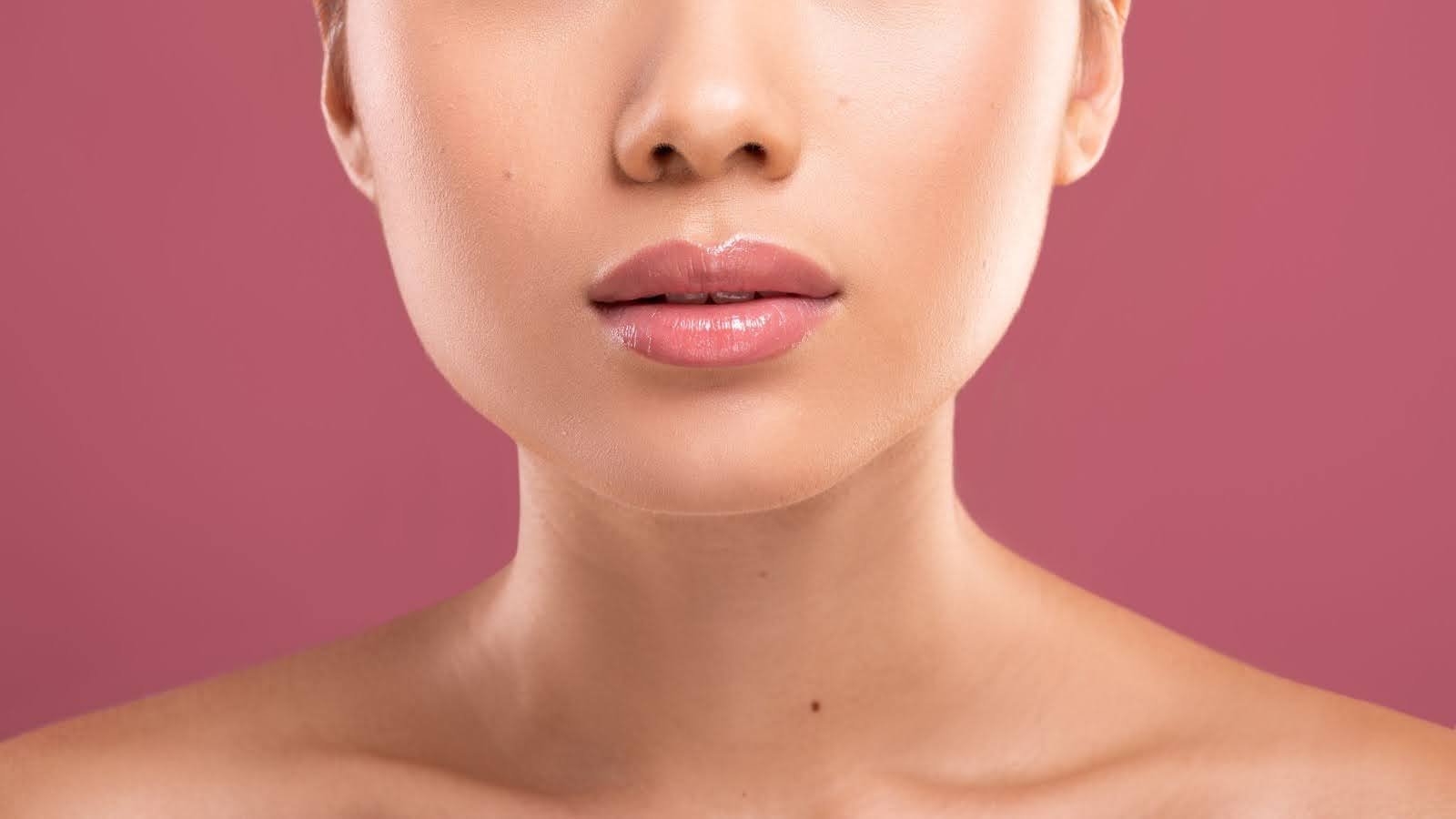
Thinking about lip augmentation, but not sure what the process actually looks like from start to finish? You're not alone. It's one of the most common questions we hear from patients before their first appointment, and it's a great one to ask.
Lip augmentation is more than just a quick treatment. It involves careful planning, an understanding of your unique facial features, and realistic expectations about recovery. Whether you're drawn to a subtle, natural enhancement or something more defined and structured, knowing what to expect at every stage can make the entire experience feel much more manageable, and the results much more satisfying.
Here's everything you need to know before, during, and after your lip augmentation journey in Toronto.
Understanding Lip Augmentation
What Is Lip Augmentation?
Lip augmentation is a non-surgical cosmetic procedure that enhances the shape, volume, and symmetry of the lips. Most commonly, it involves injectable products that allow for precise, controlled results with little to no downtime.
The goal isn't to dramatically change how you look, it's to enhance what's already there. Whether you want a softer, more hydrated appearance or a fuller, more defined pout, lip augmentation can be tailored to your personal preferences and facial proportions.
Types of Lip Augmentation
There are several types of lip augmentation that cater to different goals and preferences:
Dermal fillers are the most popular option. These gel-like injectables offer flexible, adjustable results and can be customized based on the shape and volume you're looking for.
Fat transfer uses your body's own tissue to add volume, offering a more natural alternative for those who prefer it.
Lip implants involve placing small, soft synthetic implants inside the lips for a more permanent result, though they are less commonly chosen.
Each option differs in longevity, how it feels, and how much maintenance is involved, which is why a consultation is so important before deciding.
Lip Augmentation Techniques
The technique your provider uses will depend on your natural lip shape and what you're hoping to achieve. Some of the most common approaches include:
Russian lips technique,which focuses on vertical lift and definition rather than outward projection
Natural enhancement, which distributes volume evenly for a softer, balanced look
Definition-focused approaches, which refine the lip border for a more structured appearance
There's no one-size-fits-all method. The right technique is the one that works with your features, not against them.
Lip Augmentation Shapes
Lip augmentation shapes vary depending on individual preference and facial structure. Common approaches include:
A more defined cupid’s bow
A fuller, softer pout
Balanced proportions between the upper and lower lip
Rather than chasing trends, most experienced providers focus on what's proportionate to your face. The best lip augmentation results are the ones that look like you, just enhanced.
During Your Procedure
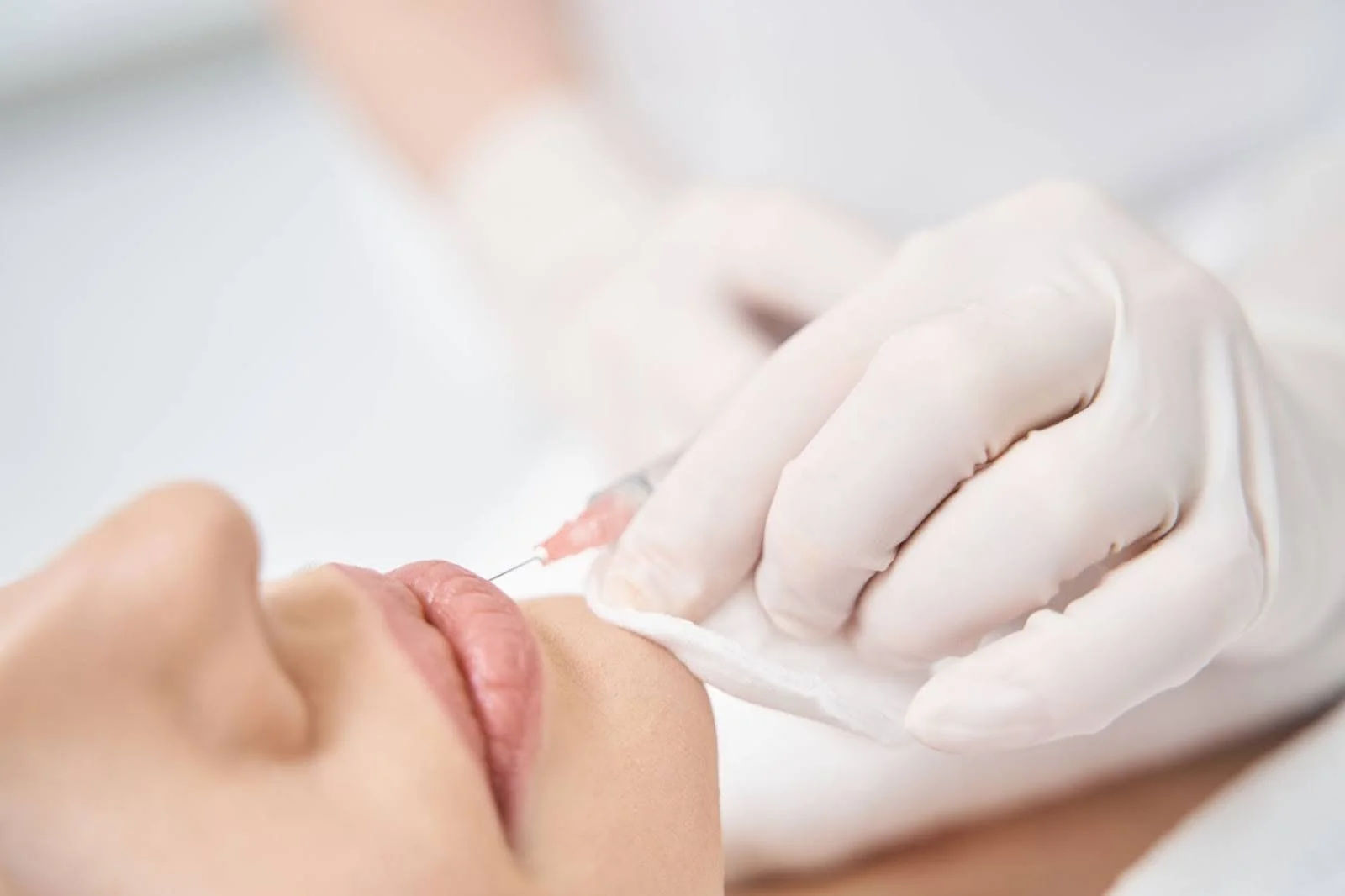
Many ask: Is lip augmentation painful?
This is one of the first things most patients want to know, and understandably so. The short answer is that most people find it very manageable.
A topical numbing product is applied to the lips before treatment to reduce discomfort. You may still feel some slight pressure or sensitivity during the injections, but the process is generally quick and well-tolerated. Comfort levels vary from person to person, but the procedure is designed to be as comfortable as possible from start to finish.
Protect your skin from the sun. Daily use of SPF shields your skin from UV rays, supporting both skin health and the longevity of your Dysport results.
Monitor for side effects. Mild swelling or redness is normal, but report any unusual or persistent reactions to your provider. Staying observant is an important part of Dysport aftercare.
Schedule follow-up appointments. Dysport typically lasts three to four months. Regular visits with your provider allow for adjustments and help maintain natural, long-lasting results.
Tip: Taking progress photos at home can help you track subtle changes and communicate effectively with your provider.
What to Expect During Your Toronto Appointment
Your appointment typically begins with a consultation to talk through your goals and review your lip shape. From there, the process usually unfolds like this:
Application of a numbing agent to reduce discomfort.
Controlled, precise injections performed by your provider.
Gradual adjustments to ensure balance and symmetry.
Immediate aftercare guidance and recovery instructions.
The procedure itself is usually finished within a short appointment window, most patients are surprised by how quick it is.
Immediate Post-Treatment
Lip Augmentation Swelling
Swelling is one of the most common concerns patients have after treatment, and it's completely normal. Some degree of lip augmentation swelling is expected, and in the first day or two, your lips may look fuller than your intended final result. This is simply your body responding to the injections, not a sign of how things will look once you've healed.
Swelling after lip augmentation typically peaks within the first 24 hours and gradually resolves thereafter. By days three to five, most patients notice a visible difference, the initial puffiness settles, the shape becomes clearer, and things start to look much more like the result you were after. Full settling usually happens within a week to ten days.
It's worth keeping in mind that results can look slightly uneven or asymmetrical during this period. That's a normal part of the process. Give it time before drawing any conclusions about your final outcome.
Lip Augmentation Bruising
Bruising can happen, particularly in more sensitive areas of the lip. It's a normal part of the healing process and typically fades within a few days.
A few general things that can help minimize bruising include:
Avoiding alcohol before treatment
Following aftercare guidance
Using cold compresses if advised
Lip Augmentation Side Effects
Lip augmentation side effects are typically mild and temporary. These may include:
Swelling
Tenderness
Slight redness at the injection site
If anything feels unusual or persists longer than expected, it’s best to check in with your provider as you transition to aftercare.
Lip Augmentation After Care
How well you care for your lips after treatment plays a real role in how your results look and feel. The healing process is gradual, and a little attention in the first week goes a long way.
Day-by-Day Recovery Guide
Day 1–2:
Swelling and sensitivity are at their peak during this period. Your lips may feel firm or look uneven; this is completely normal. Give them time.
Day 3–5:
This is when things start to shift. Swelling begins to reduce noticeably, any bruising starts to fade, and the shape of your lips becomes easier to see.
Day 7 and beyond:
By the end of the first week, most patients are seeing results they recognize and love. The lips feel softer, the shape has settled, and the final outcome is much clearer.
Do’s and Don’ts
Do:
Follow any aftercare instructions your provider gives you
Stay well hydrated
Keep the area clean and avoid touching it unnecessarily
Avoid:
Heat exposure, such as saunas, steam rooms, or very hot environments
Pressing or massaging the lips in the first few days
Strenuous physical activity for the first 24–48 hours
When to Schedule a Follow-Up
A follow-up appointment is often recommended a couple of weeks after treatment. This gives your provider a chance to review how your results have settled and determine whether any minor adjustments would be beneficial. Most patients are happy with their outcome by this point, but it's a good opportunity to check in and make sure everything looks and feels the way you hoped.
Which Option Is Right for You?
The most suitable approach depends on your natural lip shape, the type of enhancement you're looking for, and how your body responds to treatment. For some people, a subtle adjustment is all they need. Others may want more structure or definition.
There's no single right answer, and that's exactly why a consultation matters. It's the best way to talk through your options, understand what's realistic for your features, and feel confident going into your appointment.
Final Thoughts
Lip augmentation is a process, not just a procedure. Understanding the different types of lip augmentation, the techniques available, and what recovery really looks like can help you feel prepared and set realistic expectations from the start.
Taking a measured approach, both in treatment and after care, can help ensure results that feel balanced and consistent with your expectations.
If you’re unsure which option suits you, you can schedule a consultation to discuss your preferences.
