
What Causes Hair Loss in Women (And When to See a Professional)
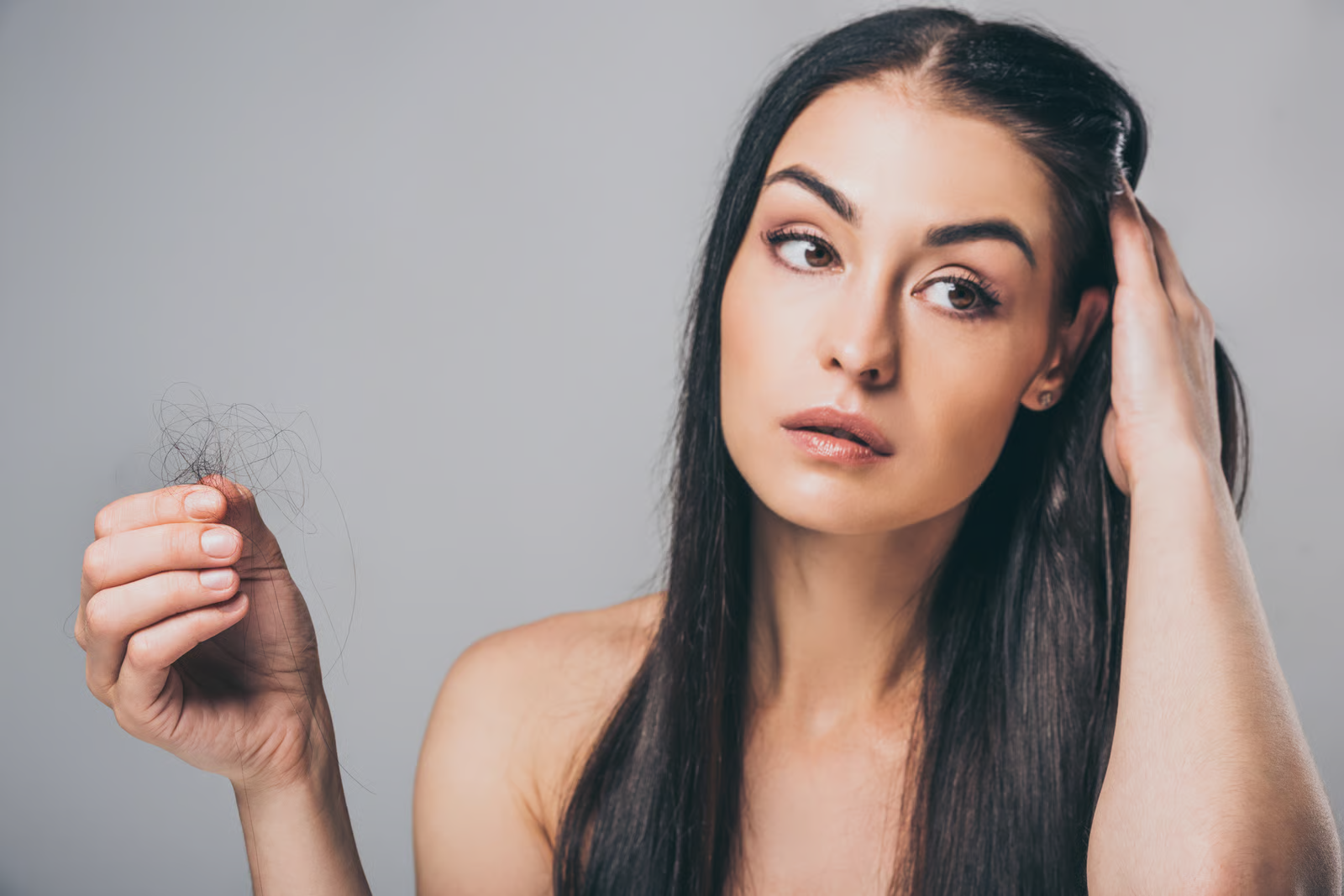
You notice it in the shower drain. On your brush. In the part of your hair that seems a little wider than it used to be. Then comes that familiar loop: Is this normal? Should I be worried?
If you’re a woman experiencing more shedding than usual, you’re not alone, and you’re not imagining it. The causes of female hair loss are varied, and many are entirely manageable when identified early. The key is knowing what you’re actually dealing with.
The Real Causes of Hair Loss in Women
Hormonal Shifts
When clients ask what causes hair loss in women, hormonal changes are often part of the picture. The hair growth cycle can be sensitive to hormonal shifts, which is why many causes of female hair loss are linked to fluctuations in estrogen, thyroid function, or changes related to birth control.
Significant hormonal transitions, such as the postpartum period, perimenopause, or stopping hormonal birth control, can sometimes contribute to increased shedding or thinning. Post-pill hair changes are one of the more common concerns we hear about, and one of the least talked about. Thyroid-related changes can also affect the hair growth cycle, leading to diffuse thinning across the scalp. If you’re noticing hair changes alongside other symptoms, speaking with your doctor about hormonal testing may be a helpful first step.
Iron and Vitamin Deficiencies
Does iron deficiency cause hair loss? It can, and low iron is more common than many realize, particularly in women. Adequate nutrition plays an important role in supporting the hair growth cycle. When people ask which vitamin D deficiency causes hair loss, iron and vitamin D hair loss are frequently mentioned, alongside other nutrients like B12 and zinc.
Some nutritional deficiencies may not always be identified through routine testing alone, so it’s worth speaking with your healthcare provider about whether more targeted testing might be helpful in your situation.
Chronic Stress and Cortisol
Hair loss from stress is a real, and recognized experience. Periods of significant physical or emotional stress can sometimes push more follicles into a resting phase, resulting in increased shedding. The timing can make this difficult to identify; the shedding often appears several months after the stressful period, long after most people would think to connect the two.
Female Pattern Hair Thinning (Androgenetic Alopecia)
Genetic hair thinning in women tends to present differently than in men, typically as a widening part or reduced density at the crown, rather than a receding hairline. It is gradual and can begin as early as the mid-twenties. Unlike temporary shedding, hereditary hair thinning may benefit from professional support. Treatments such as laser hair rejuvenationcan help support follicle activity and improve hair density over time.
A Few Common Myths Worth Addressing
Does Dandruff Cause Hair Loss
Not directly. Dandruff itself is not a known cause of hair loss, though maintaining a healthy scalp environment generally supports healthy hair.
Does Hard Water Cause Hair Loss?
The evidence linking hard water to hair loss is limited. Hard water may affect the texture or appearance of hair, but it is not considered a significant cause of hair loss or thinning. And no, wearing a hat does not cause hair loss either.
What’s Normal, And What’s Not
Losing 50–100 hairs per day is generally considered part of the normal hair cycle. Some seasonal shedding is also expected. The following signs may indicate that something more is happening:
• A noticeably wider part or visible scalp at the crown
• Shedding that persists for more than three months without improvement
• Regrowth that appears finer or shorter than before
• Defined or patchy areas of loss
If several of these feel familiar, it may be worth speaking with a professional to get a clearer picture of what’s happening.
When to See a Professional
The earlier hair concerns are assessed, the more options are typically available. Nutritional factors, hormonal changes, and stress-related shedding can all respond well to appropriate care, but identifying the right contributing factor matters. The approach that makes sense for one type of hair loss may not be the right fit for another, which is why a personalized assessment can be a helpful starting point.
If hair thinning is something you’ve been quietly monitoring, a professional consultation can help clarify what’s happening and whether treatment options may be appropriate for your situation.
At Emerald Skin Lab, our hair assessment consultation is designed to take a thorough look at your scalp health, hair cycling patterns, and personal history. We work with clients seeking hair loss treatment and hair thinning treatment in Toronto and North York who are looking for clear answers and a plan that reflects their individual needs.
