
How to Get Rid of Acne Cysts Fast, According to Experts at Emerald Skin Lab
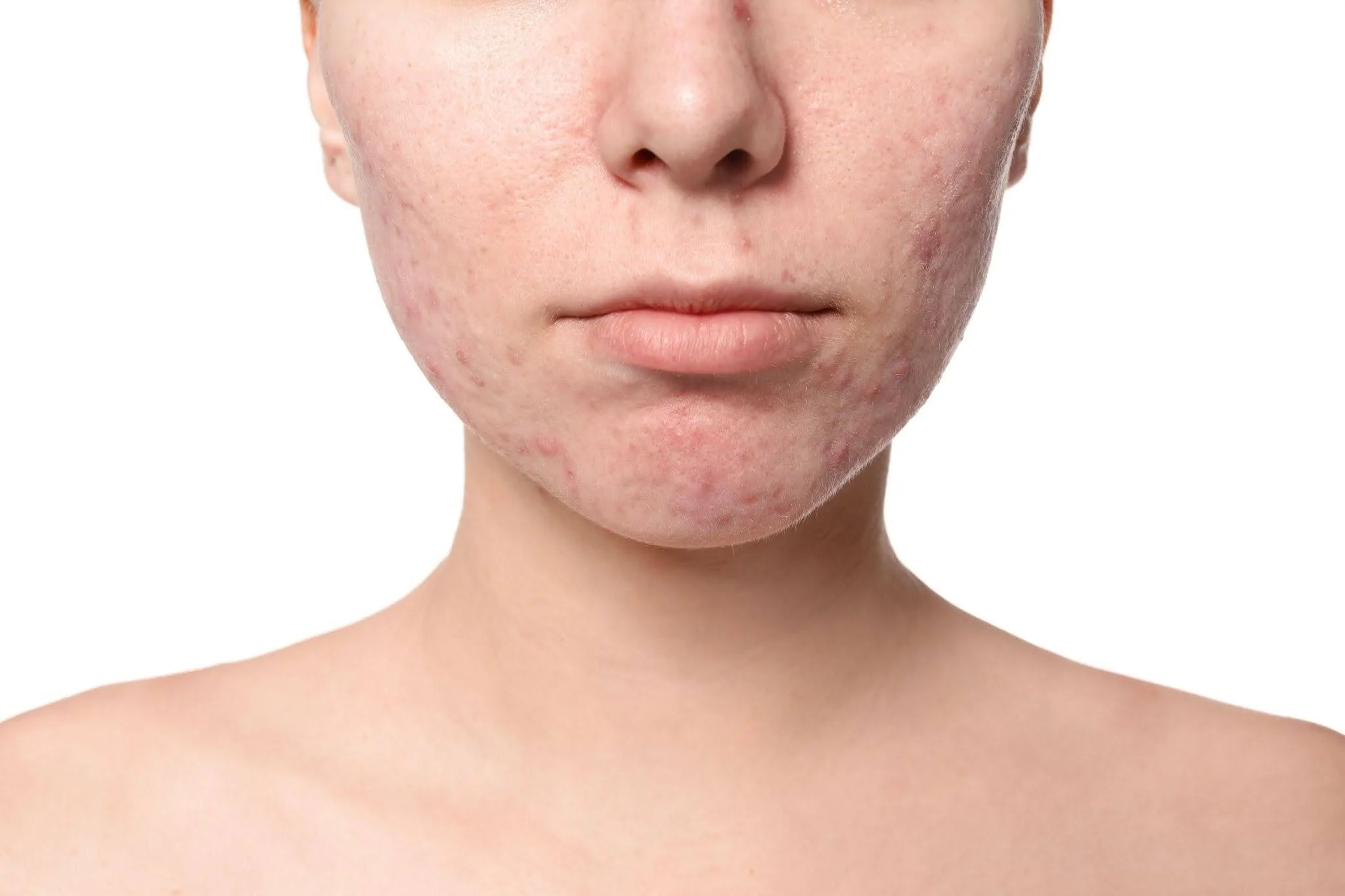
You wake up a few days before something important, an event, a work presentation, a night out and there it is. Deep under the skin, sore to the touch, and seemingly immovable. If you've been dealing with recurring cystic acne, you already know that no amount of salicylic acid or spot patches is going to fix this one. And honestly? That's not your fault at all.
Cystic acne just doesn't work the same way as other breakouts. So let's talk about why that is, what you can realistically do at home, and what your options are when you need something that actually works fast.
First, What Actually Is a Cystic Pimple?
Most breakouts start near the surface of the skin, a clogged pore, some excess oil, maybe a bit of dead skin buildup. Those you can work with topically. Cystic acne is different.
A cystic pimple forms deep in the dermis when bacteria, oil, and dead skin cells create a significant inflammatory response below the skin's surface. There's no opening, no visible head, nothing to treat from the outside. It's essentially a walled-off pocket of inflammation, and your skin is doing its best to contain it.
People sometimes ask about the difference between an acne cyst and a nodule. They're similar in that both are deep, hard, and slow to resolve, but cysts tend to be softer and more fluid-filled, while nodules are firmer and often larger. Both are forms of inflammatory acne, and both need the same general approach: you need to treat the inflammation, not the surface.
Because cystic acne forms beneath the skin, anything you apply on top simply can’t reach it.
Cystic acne is also strongly tied to hormones, particularly fluctuating estrogen and androgen levels that ramp up oil production deep in the follicle. If your breakouts cluster around your jawline and chin and seem to follow your cycle, hormonal cystic acne is likely a factor. You're very much not alone in this.
Can You Treat Cystic Acne at Home?
Short answer: You can manage it, but you can't truly resolve it at home. Here's what tends to help and what doesn't:
Things that can help a little:
Spot treatments (benzoyl peroxide, salicylic acid), these work on surface-level breakouts. Cysts are too deep for them to reach.
Hydrocolloid patches are great for pimples that have a head, but are largely useless on closed cysts with nowhere to drain.
Squeezing or picking, we get it, it's tempting. But forcing a cyst almost always pushes the inflammation deeper, causes more trauma, and dramatically increases your risk of post-inflammatory hyperpigmentation and scarring. If you're going to do anything, please skip this one.
So what do you do if you need results within 24 to 48 hours? This is where professional options come in.
What Do Dermatologists and Skin Clinicians Do for Cystic Acne?
When someone comes in with an active cyst, they need to go quickly. The go-to clinical treatment is a cortisone injection, also called an intralesional steroid injection. It's one of the most requested treatments at Emerald Skin Lab, and once people try it, they tend to wonder why they waited so long.
Here's how it works: a small amount of diluted corticosteroid is injected directly into the cyst. Because it's delivered right to the source of the inflammation, it starts working almost immediately. For most people, the cyst flattens noticeably within 24 to 48 hours.
If you've been searching "how to shrink a cystic pimple fast" or "how to get rid of acne cysts overnight," this is the closest thing to an actual answer. It's not a workaround or a trick. It's a well-established clinical procedure that directly addresses the underlying inflammation.
What Does the Procedure Actually Involve?
A lot of people have questions about what to expect, so here's a straightforward breakdown:
Before the injection:
Your clinician will assess the cyst, its depth, size, and degree of inflammation, to confirm the injection is appropriate. The area is cleansed, and a topical numbing agent can be applied if you're concerned about sensitivity.
During:
A very fine needle delivers a precisely diluted cortisone solution directly into the cyst. The whole thing takes under five minutes. Most clients describe it as a brief, mild pressure, usually less uncomfortable than they expected.
Right after:
There might be some slight redness or a small temporary mark at the injection site. You can apply mineral makeup and go about your day, no downtime needed.
24 to 48 hours later:
The cyst begins to flatten. Tenderness goes down. For most clients, the improvement is significant by day two.
A Few Things People Usually Ask
Will it leave a dent?
Skin atrophy, a slight depression at the injection site, is a known possibility, but it's closely tied to concentration and technique. At Emerald Skin Lab, carefully diluted formulations and precise injection depth are used to minimize this risk. When it does occur, it's almost always temporary.
What about discolouration?
Hypopigmentation (lightening of the skin) is possible, particularly for deeper skin tones. Your clinician will talk through this with you during the consultation and adjust the approach accordingly.
Is this something I can do regularly?
For occasional flares, yes. That said, if you're getting cysts frequently, it makes sense to also address the underlying cause, whether that's a longer-term topical routine, hormonal management, or a combination. The injection takes care of the active cyst; a broader treatment plan helps prevent the next one.
Finding Cystic Acne Treatment in Toronto and North York
If you're in the Toronto area and looking for a cortisone shot for acne in North York, Emerald Skin Lab offers same-week consultations for cortisone injections. Whether you've got a specific event coming up or you're just tired of waiting out each cyst and hoping for the best, it's worth knowing that there's a quick, safe clinical option available.
Same-week bookings are available. You don't have to wait until a breakout is at its worst; coming in early actually gives the best results.
The Bottom Line
Cystic acne in your 30s or 40s is common; it's often hormonal, and it's not something you should just push through. The at-home options have their place, but if you need results fast, a cortisone injection is the one treatment that's actually been shown to work.
